Guides to commercial solar, in plain English
Short, sourced guides for anyone weighing up solar on a business roof, a car park or a field.
These guides answer the questions people ask before they spend money on solar. How much will it cost? Will the grid take it? How does tax treat it? What should the contract say?
Each guide links to the rule-maker's own page, such as HMRC, Ofgem or the ENA. That way you can check the facts for yourself. Where a figure is our estimate, the guide says so. The newest guides come first.
Solar PPA contract red flags to check before you sign
Twelve clauses to read in a solar power purchase agreement, because the risk sits in the small print: price rises, buy-out, early exit, sale of the site and removal.
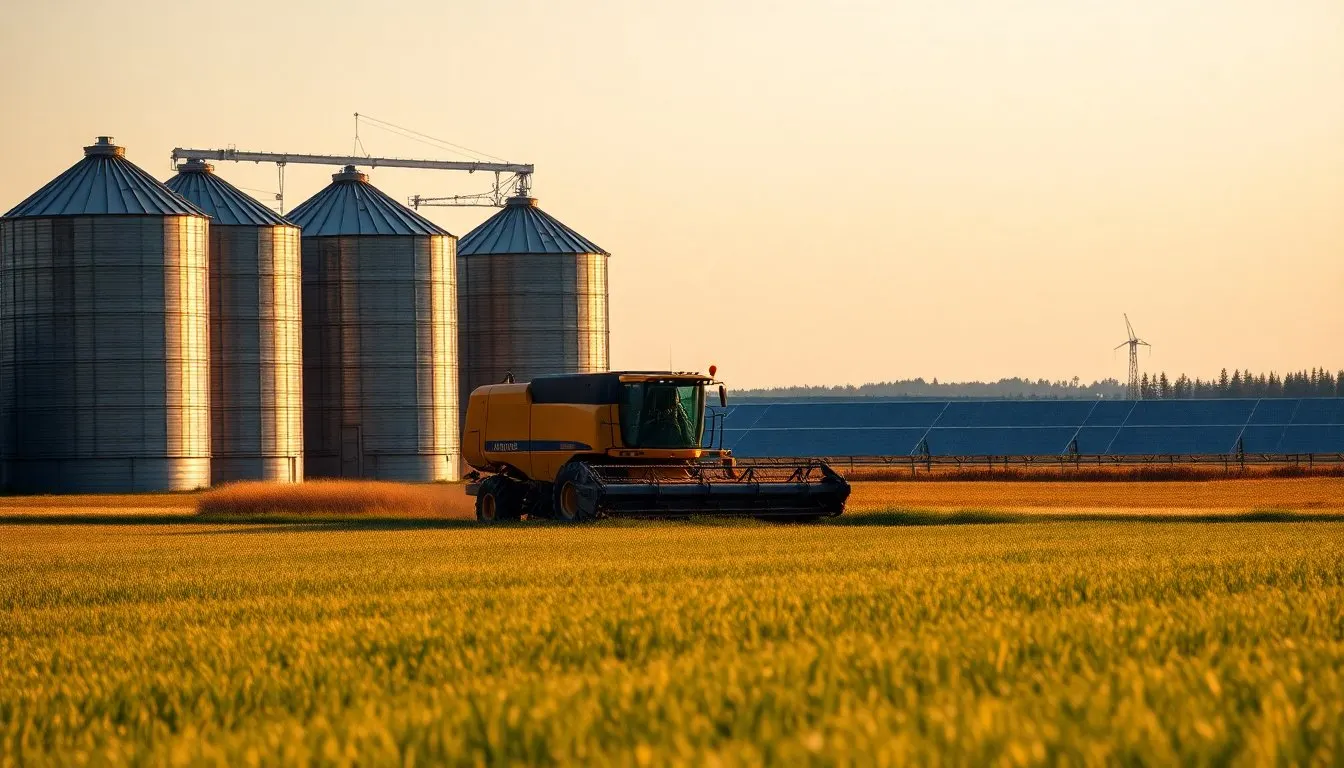
Arable farms and solar: grain drying, irrigation and peak demand
Grain drying and irrigation make arable demand seasonal, while solar peaks in summer. See what solar can serve, an illustrative fan load, and how to size.
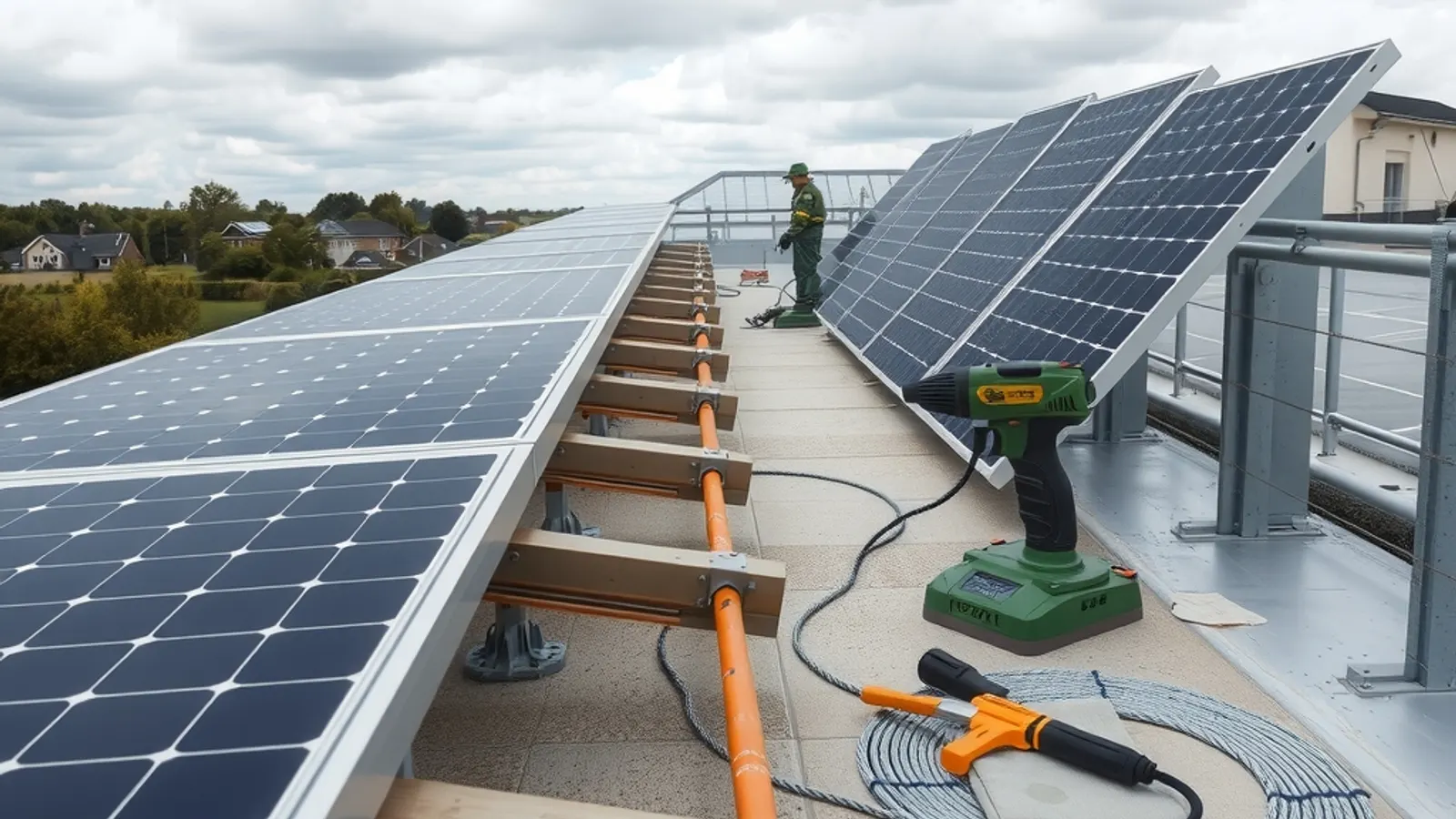
12 questions to ask before hiring a commercial solar installer
Twelve questions to ask an installer, for example on insurance, accreditation, roof checks, price, warranties and aftercare, with what a good answer looks like.
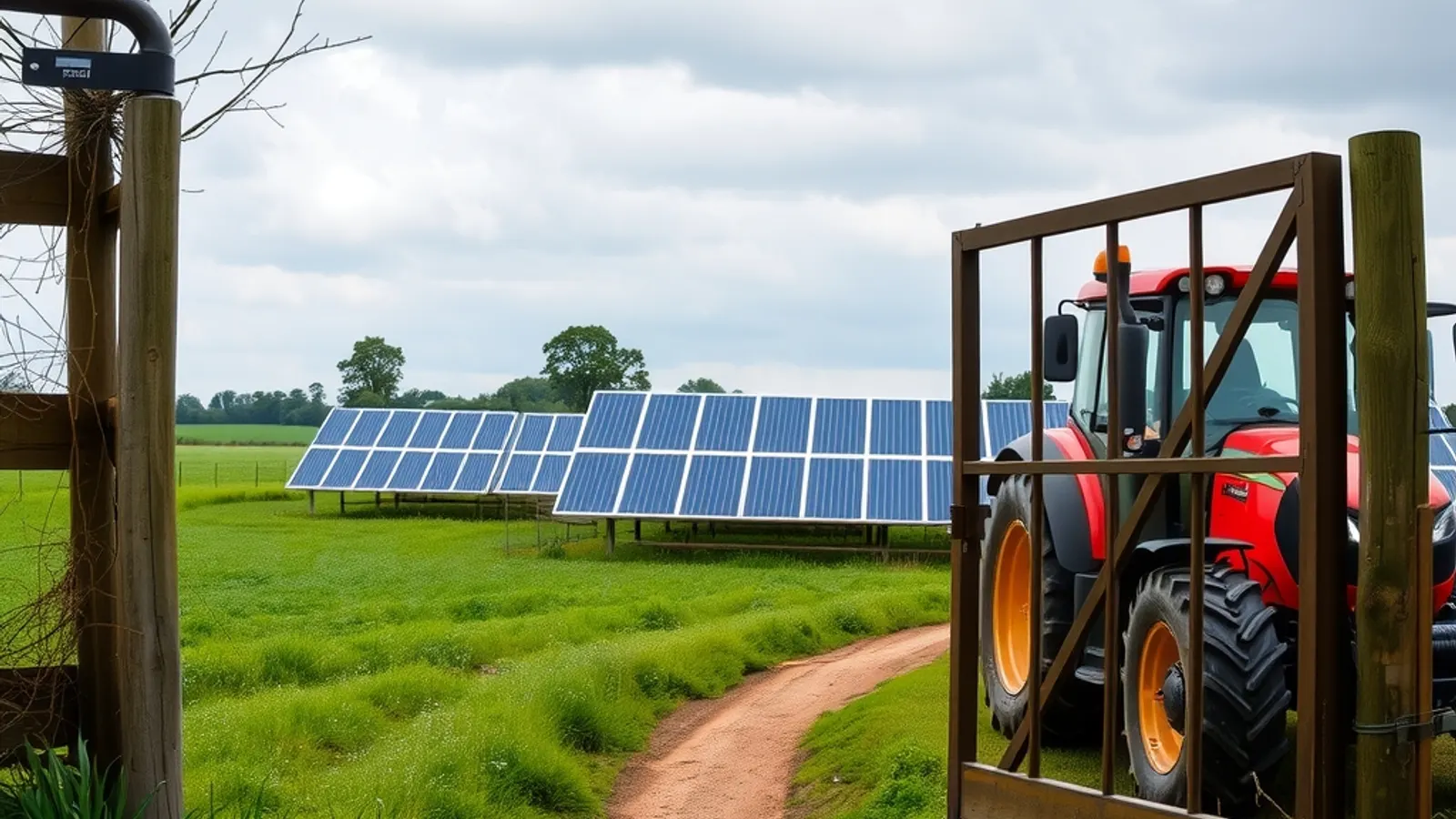
Solar and tenant farmers: who can sign the lease?
A tenant farmer cannot grant a solar lease alone. Tenancy type, landlord consent and surrender decide who signs, while the money needs agreeing too.
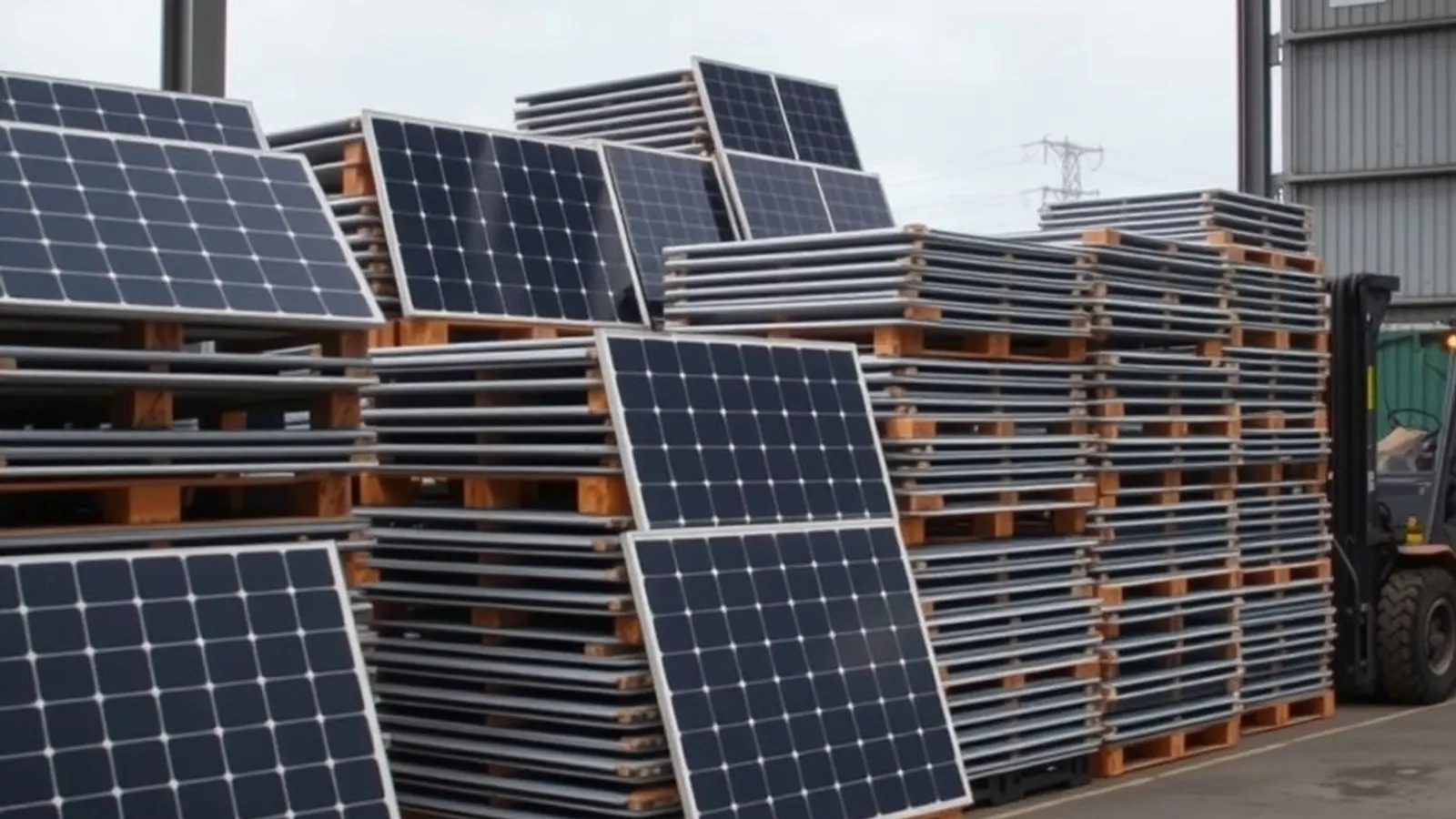
Solar panel recycling in the UK: who pays and what you must do
Solar panels are WEEE. See who pays for recycling, your waste duty of care, and why end-of-life terms still matter before you buy.
Does commercial solar work in a power cut?
Standard grid-tied solar shuts off when the grid fails, because of a safety rule. What a battery, inverter and backup circuit add if you need cover.
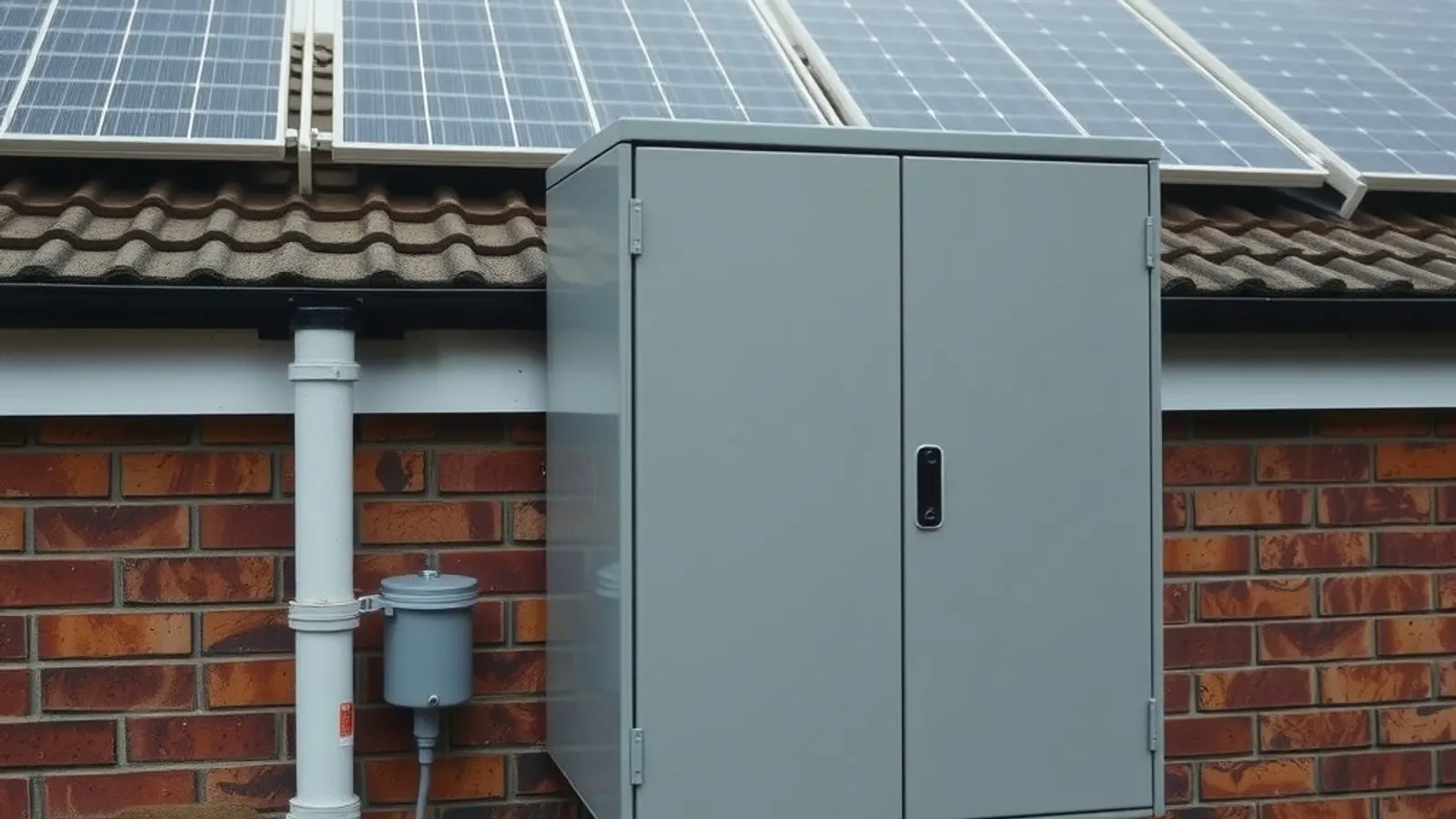
What is the Smart Export Guarantee? A 2026 guide for businesses
The Smart Export Guarantee makes suppliers pay for power you export, although each sets its own rate. Who can join, what meter and certification you need, and how to compare.
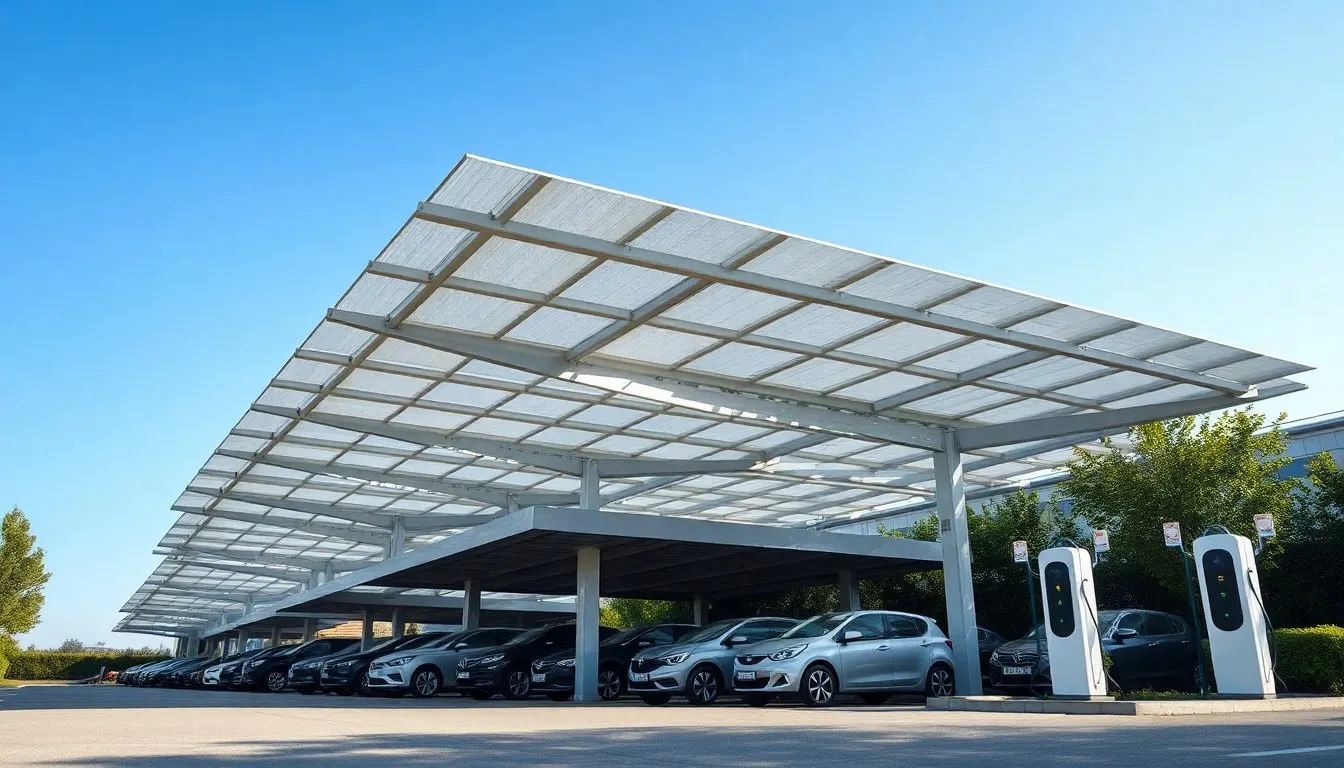
Solar carports and canopies: cost, planning and EV-charging synergy
What drives the cost of a solar car-park canopy, how the Class OA planning route works in England, and how canopies pair with EV charge points and the Workplace Charging Scheme.
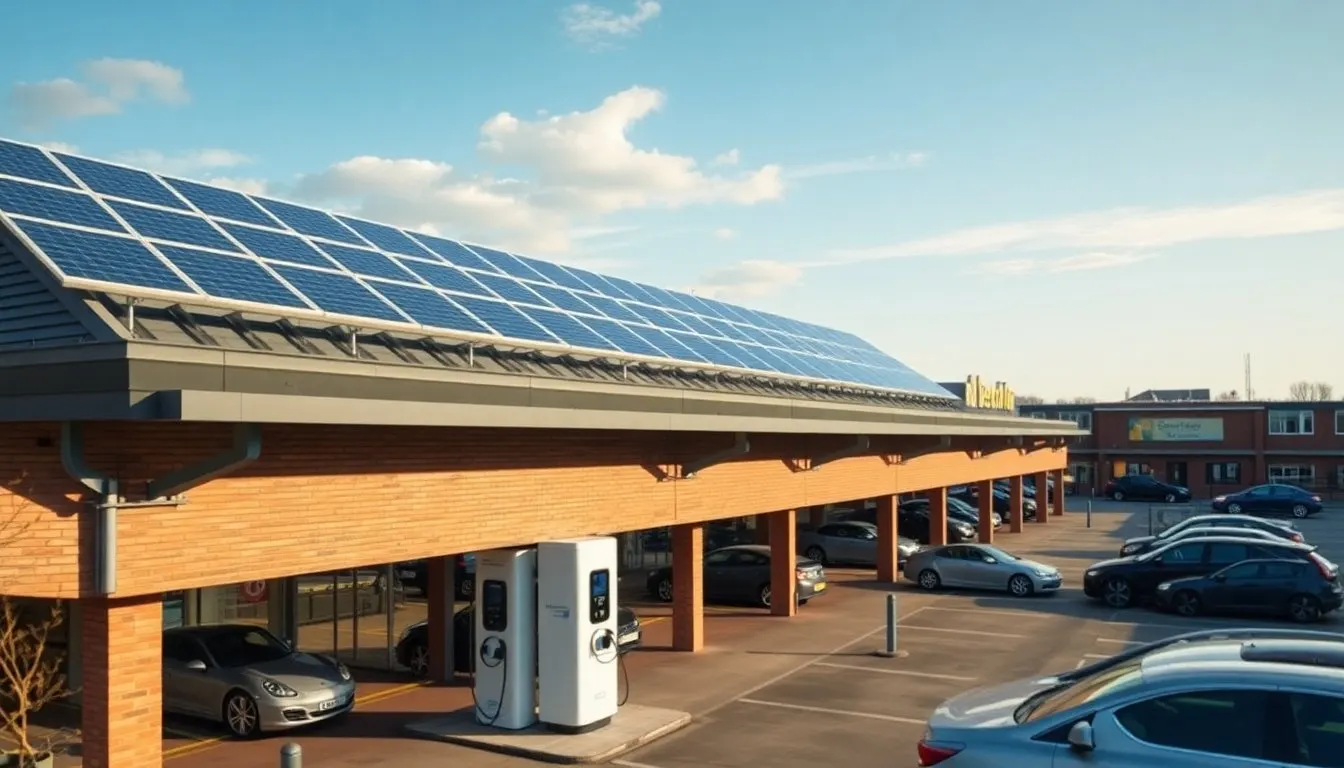
Solar for retail parks and shopping centres: the EV charging and canopy case
Why retail parks and shopping centres suit commercial solar: daytime load, car-park canopies, EV charging rules, business rates and the landlord and tenant split.
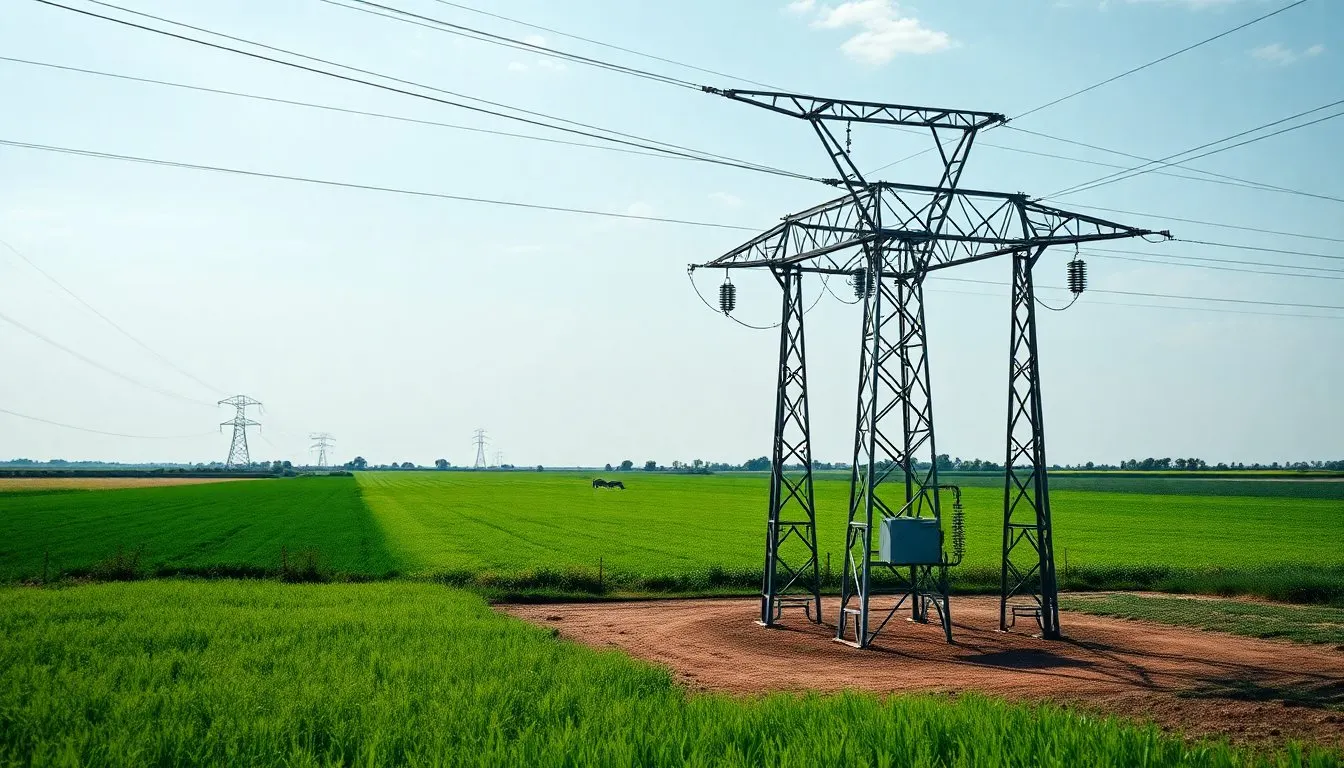
Rural grid connections: why farms wait longest for a G99 offer
Farm solar often waits longest for a grid offer, because rural feeders are long, supplies are often single-phase and substations have little headroom. How to check early.
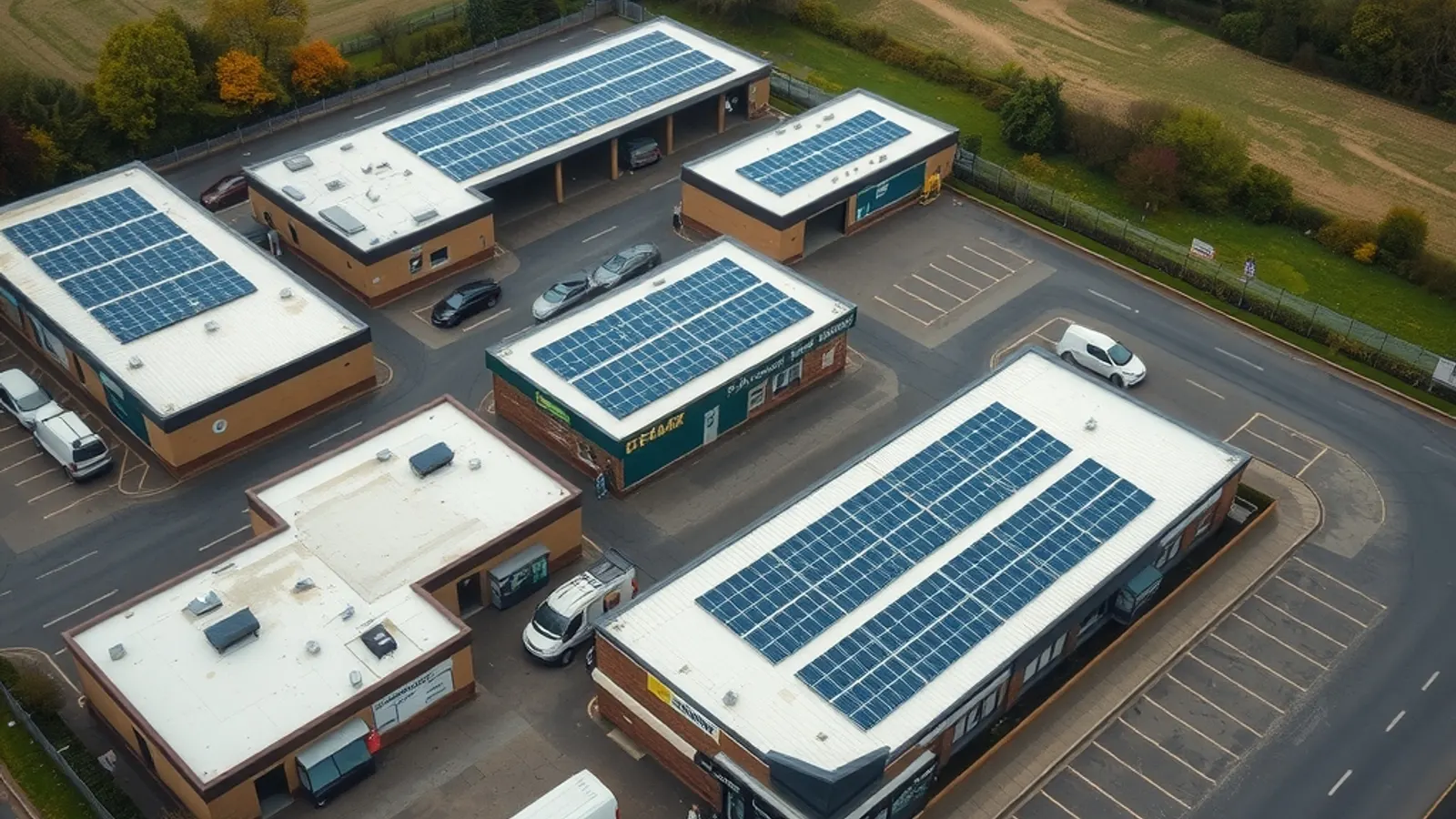
Multi-site retailers: how to sequence a solar rollout
How a retail chain can order a store-by-store solar rollout, for example by ranking stores and matching tranches to tax relief, grid timing and EPC and ESOS dates.
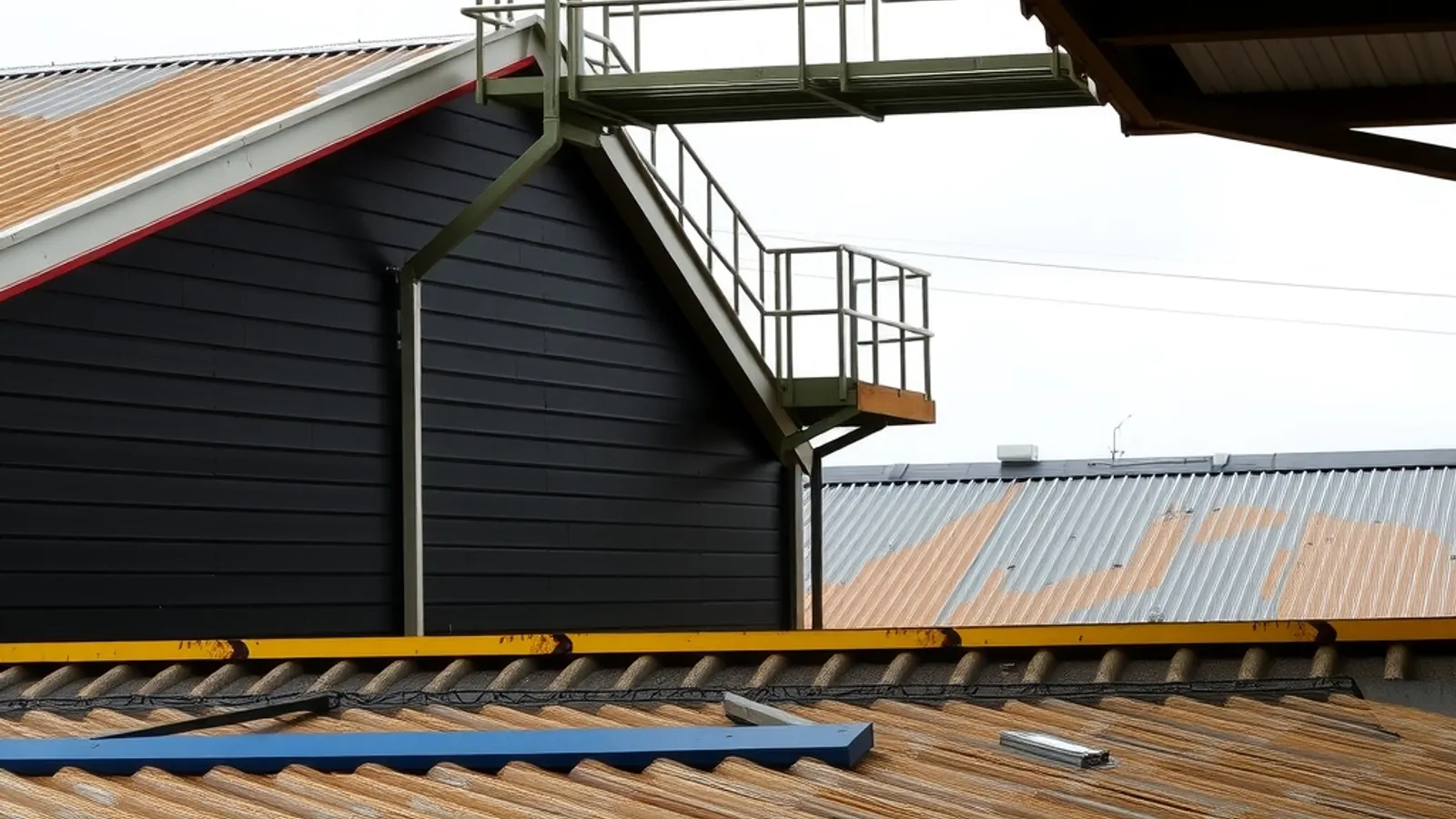
Roof surveys before solar: structural loading, asbestos and what a report should include
What a pre-solar roof survey should check: spare structural capacity, asbestos, roof covering life and fixing method. Includes a checklist for the written report.

Commercial solar contract disputes: what remedies do you have?
Late installer or weak yield? Four routes: contract remedies, adjudication, mediation and court. Which fits, how fast each works, and what it costs.
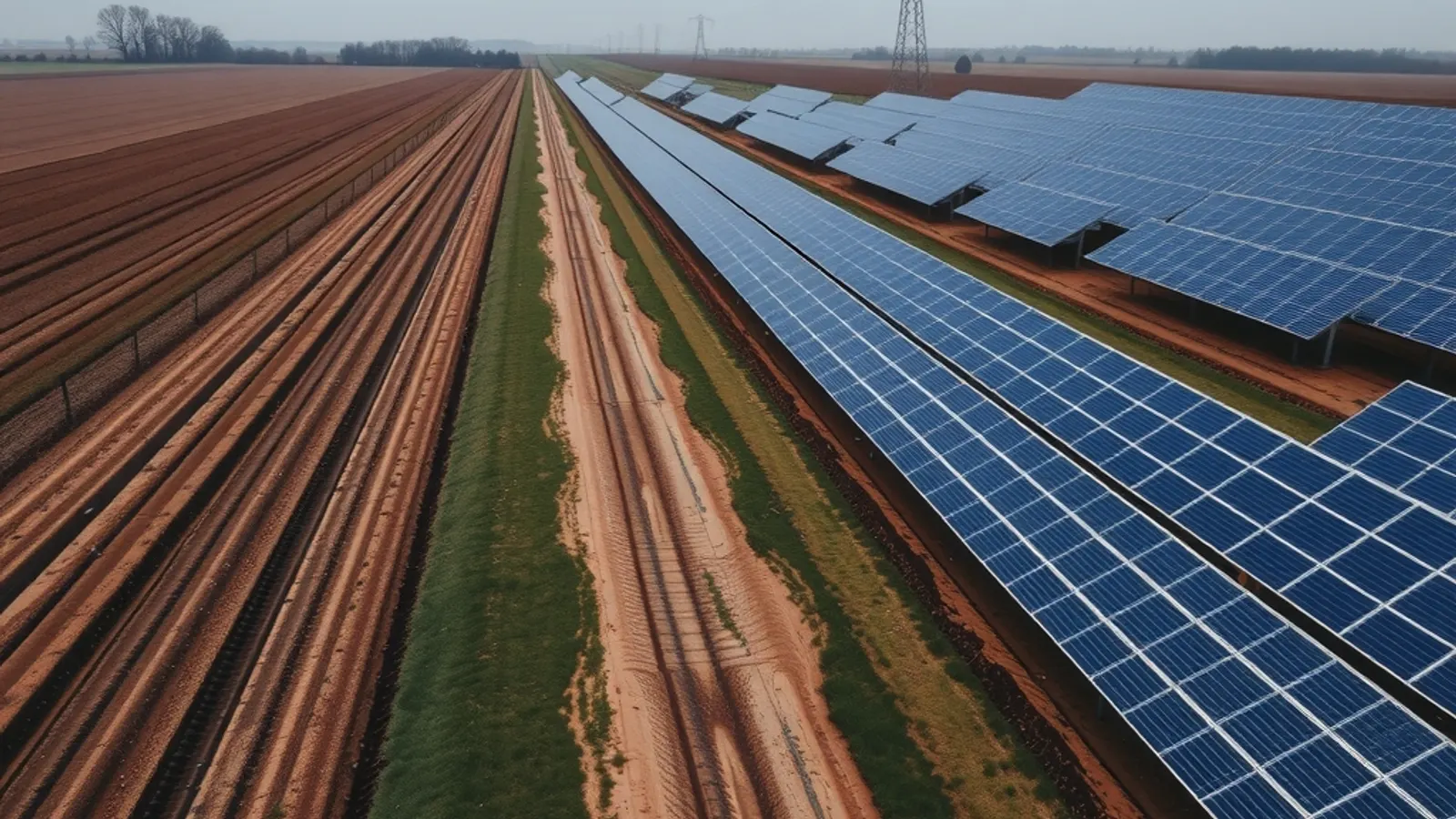
Solar land lease rent: property income, not farming profit
Rent from a solar lease is taxed as property income, not farming profit. That matters because it affects averaging, National Insurance, VAT and inheritance tax relief.
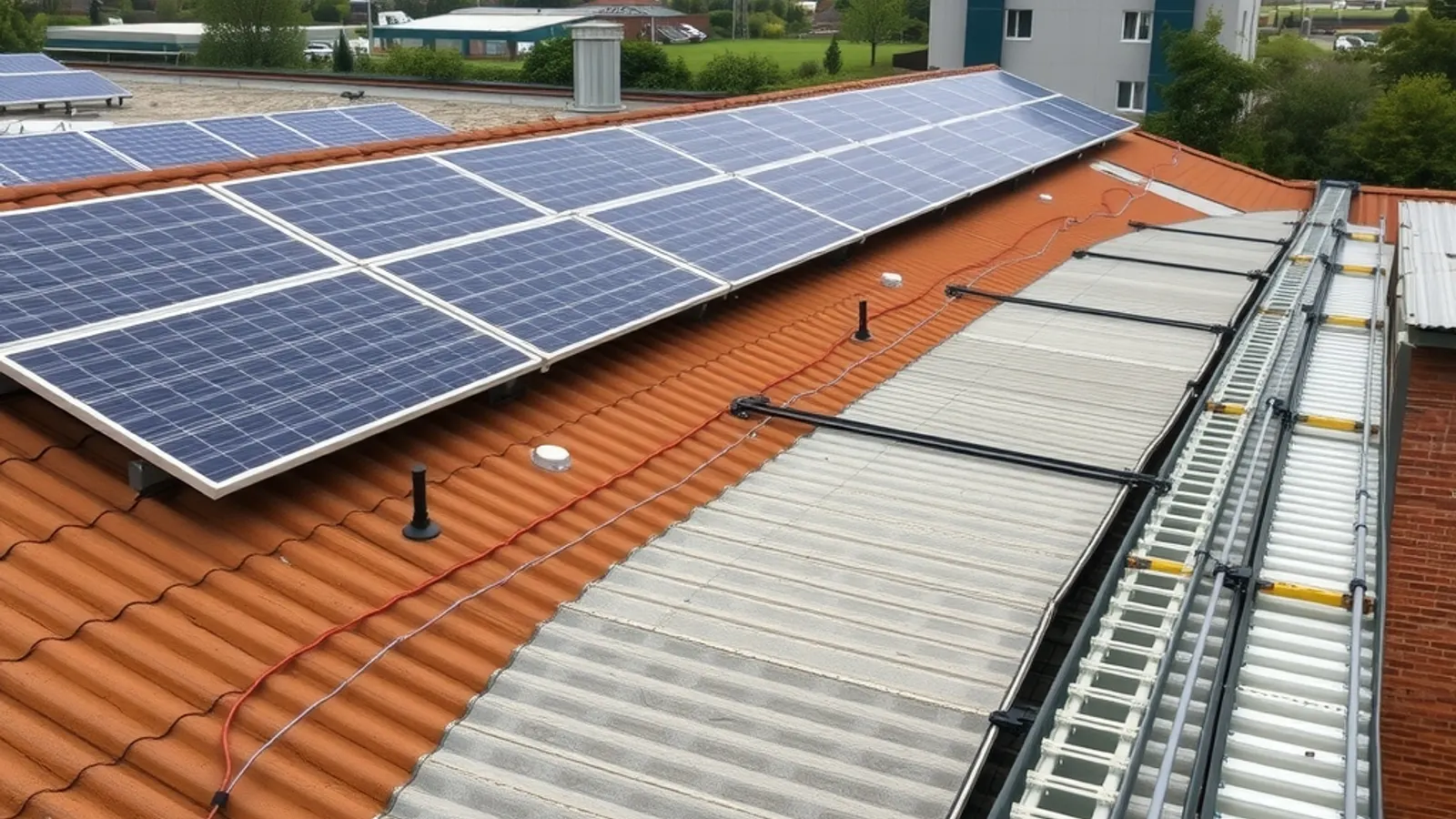
How long does a commercial solar installation take?
Some parts of a UK commercial solar timeline are set by rule, while others depend on your grid and roof. An illustrative programme to test quotes against.
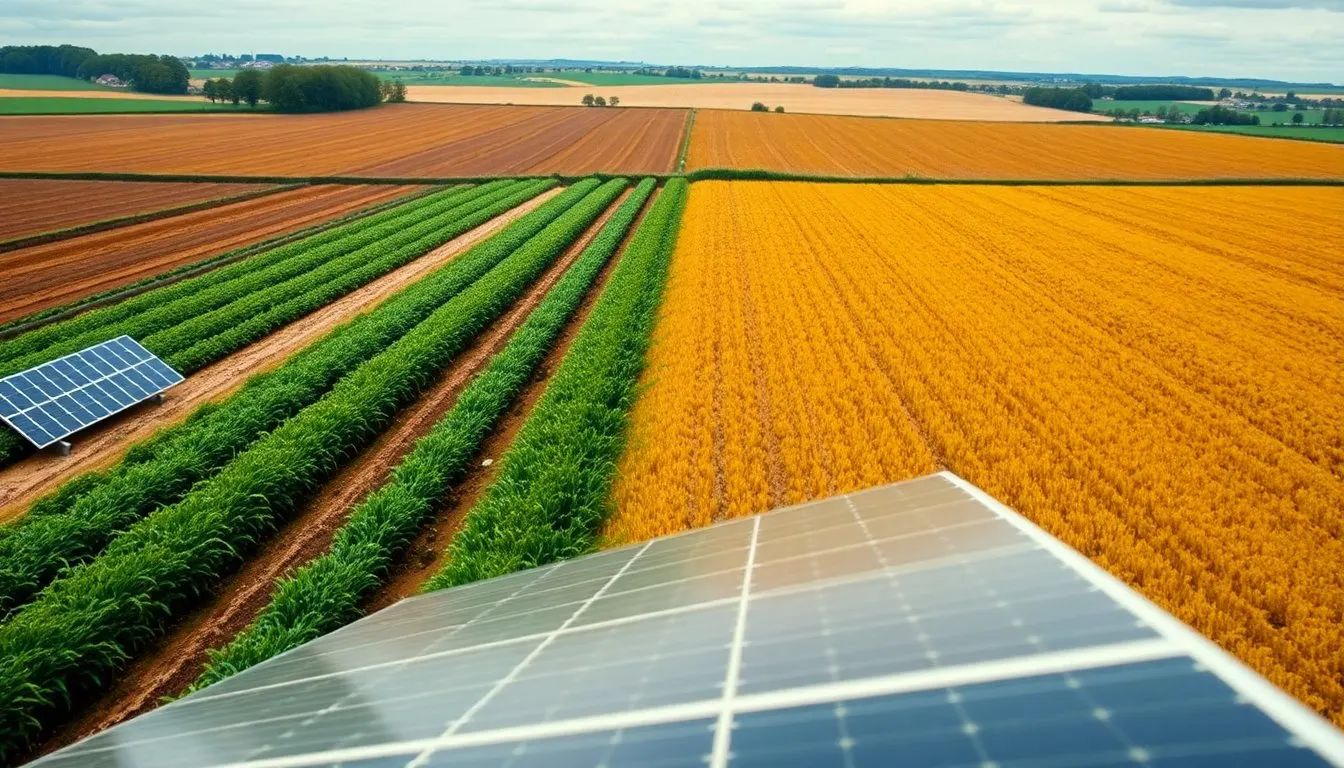
Sustainable Farming Incentive and solar: where they clash
Land covered by a solar array cannot be farmed, so it sits awkwardly with SFI. What to tell the Rural Payments Agency, how SFI26 stands in October 2026, and how to time a lease.
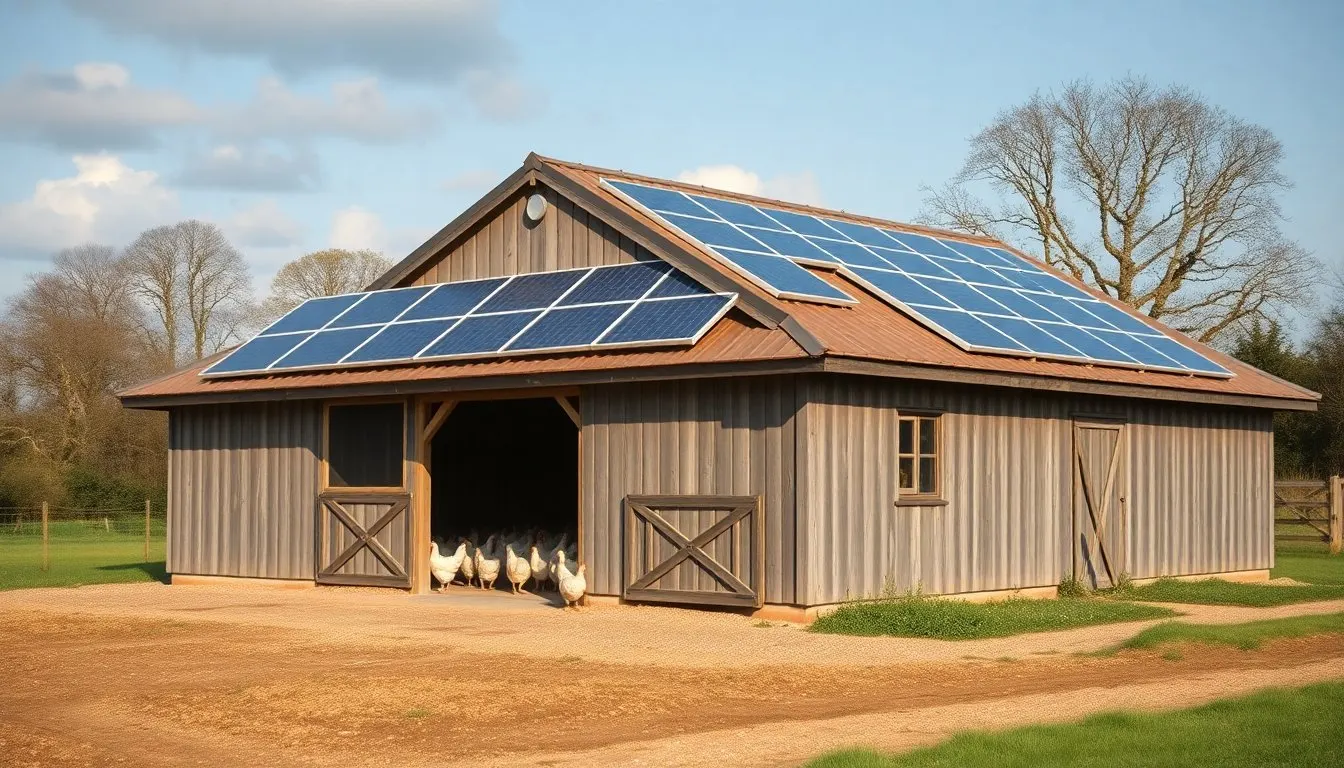
Poultry farms and solar: how a steady load changes the sums
Poultry houses draw power at night as well as by day, while solar only generates in daylight. How that shapes sizing, batteries and the duty to back up ventilation.
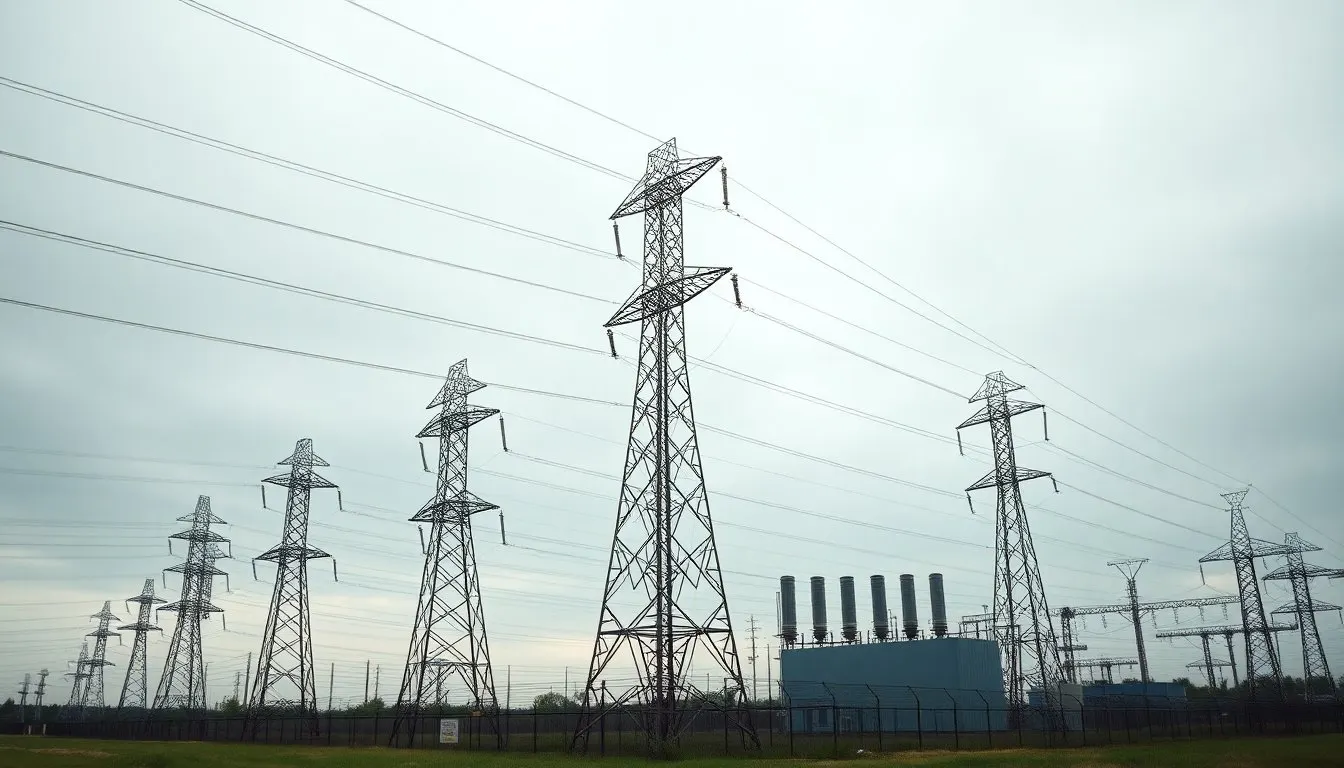
UK grid capacity in 2026: why commercial solar gets delayed
The grid queue was cut by nearly two thirds, yet local limits still slow commercial solar. What changed in 2025 and 2026, and how to plan around delay.
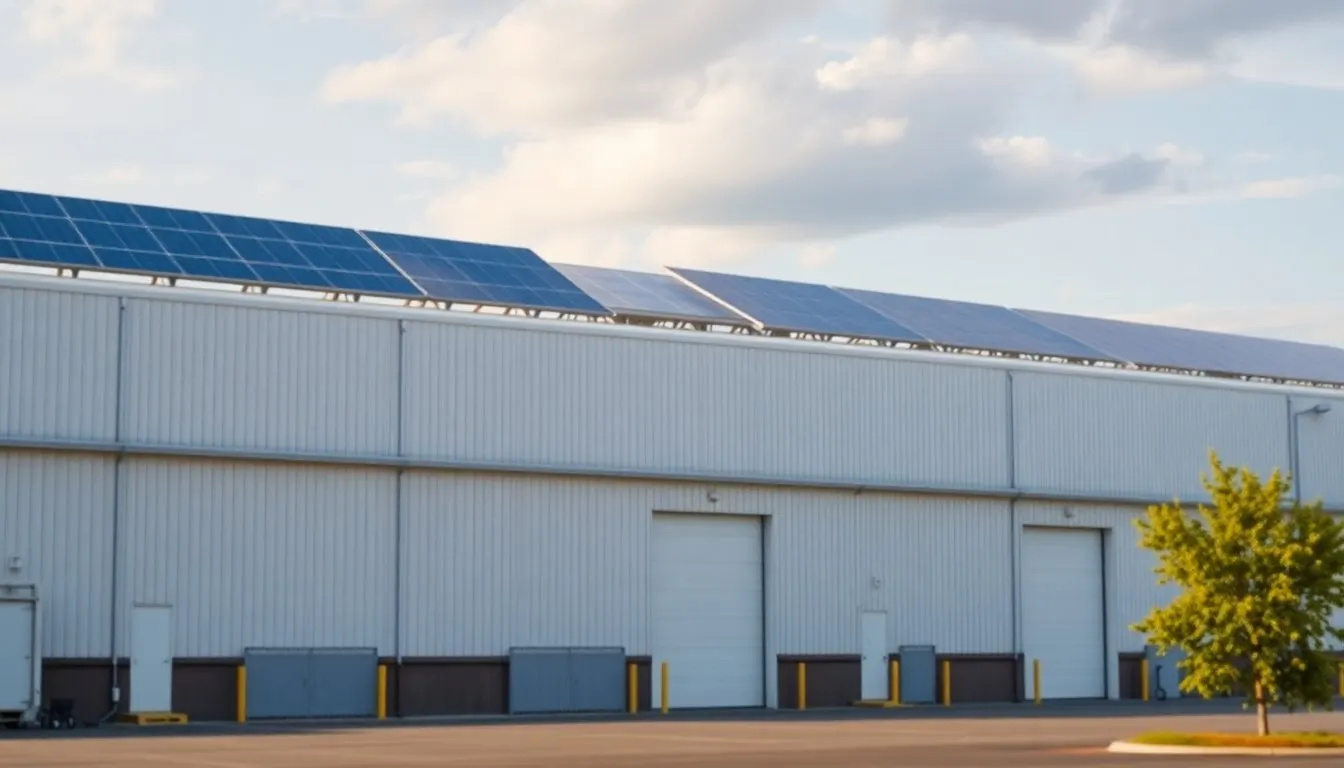
Solar for cold storage and refrigeration facilities
Refrigerated warehouses suit commercial solar because they draw power round the clock. How to size an array, what to check on insulated roofs, and when batteries pay.
VAT on commercial solar: rates, reclaims and the exceptions
Most commercial solar installations carry 20% VAT, although a VAT-registered business can usually reclaim it. When that changes: partial exemption, charities and the CGS.
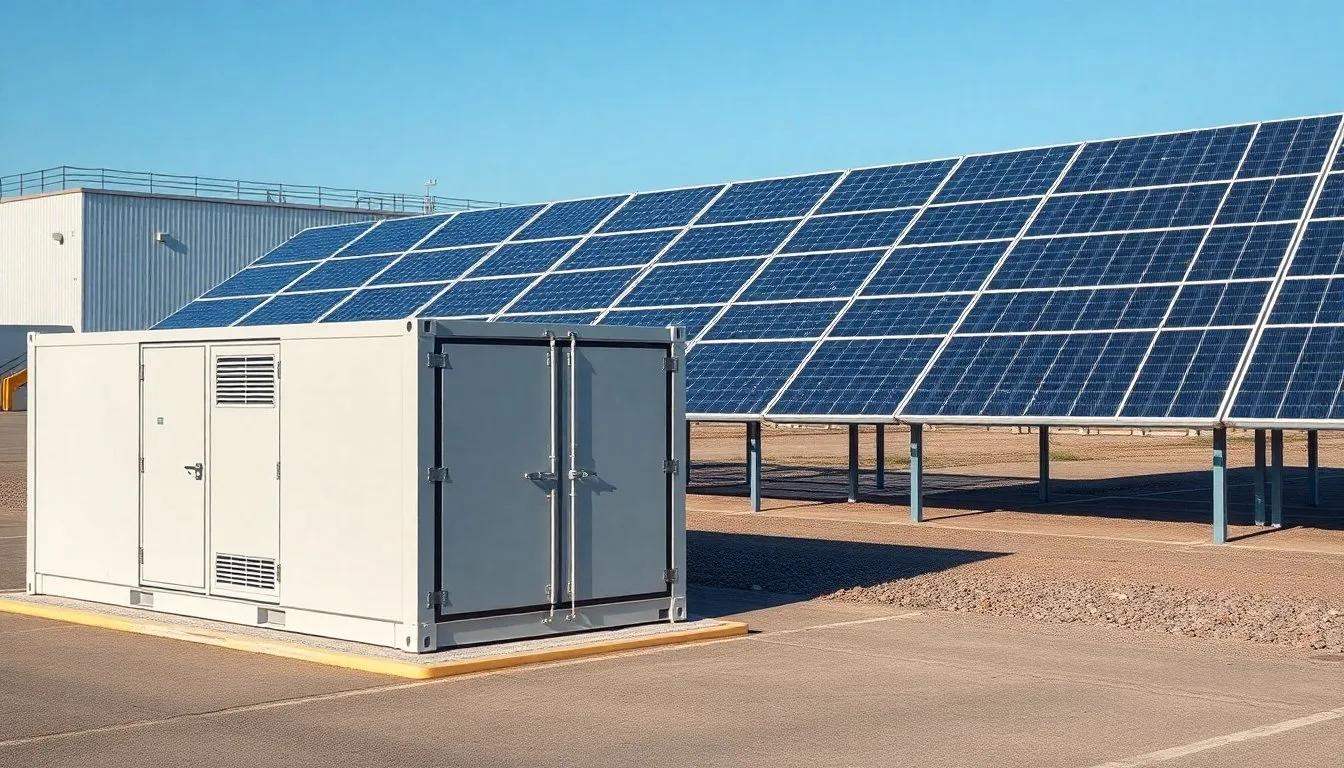
Battery storage for commercial solar: is it worth the extra capital?
A battery pays back only in certain cases. When storage improves a commercial solar business case, when it only adds cost, and how to test it.
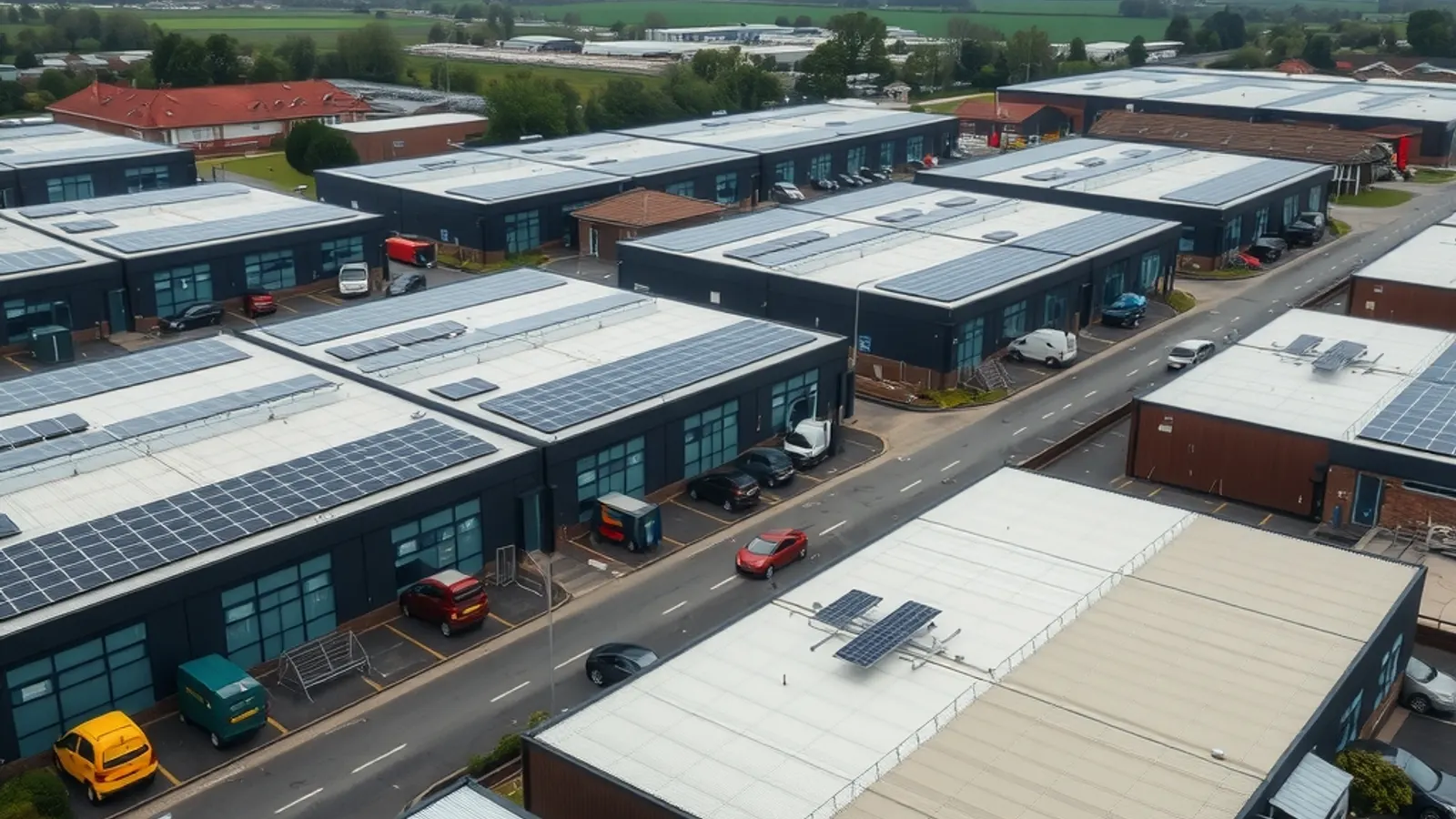
Corporation tax and commercial solar: a cash-flow guide for finance directors
Solar does not change your corporation tax rate. It can still change your profit and the timing of cash. How allowances, bands and payment dates work.
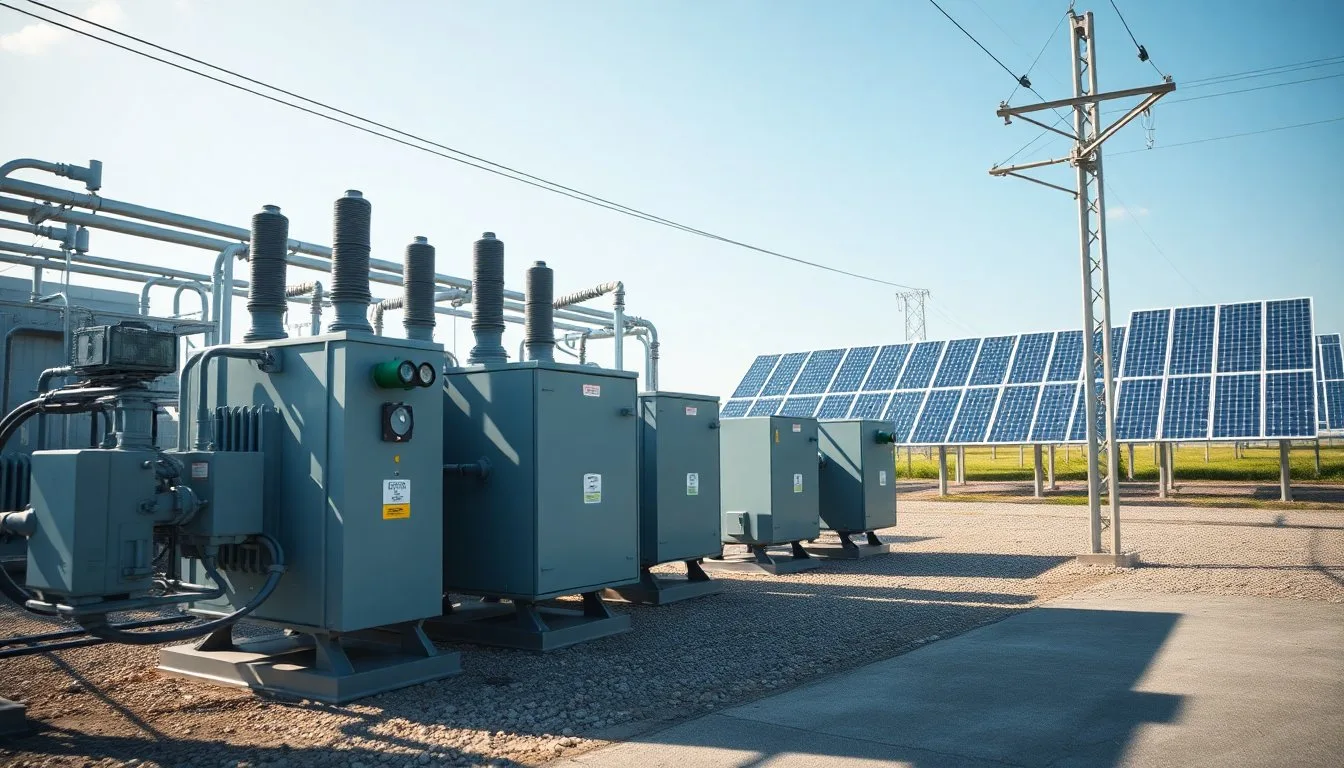
G99 explained: the grid connection process for commercial solar
Most commercial solar in Great Britain needs a G99 connection, since it is above the small G98 limit. When G99 applies, the Type A to D bands, the steps and timescales.
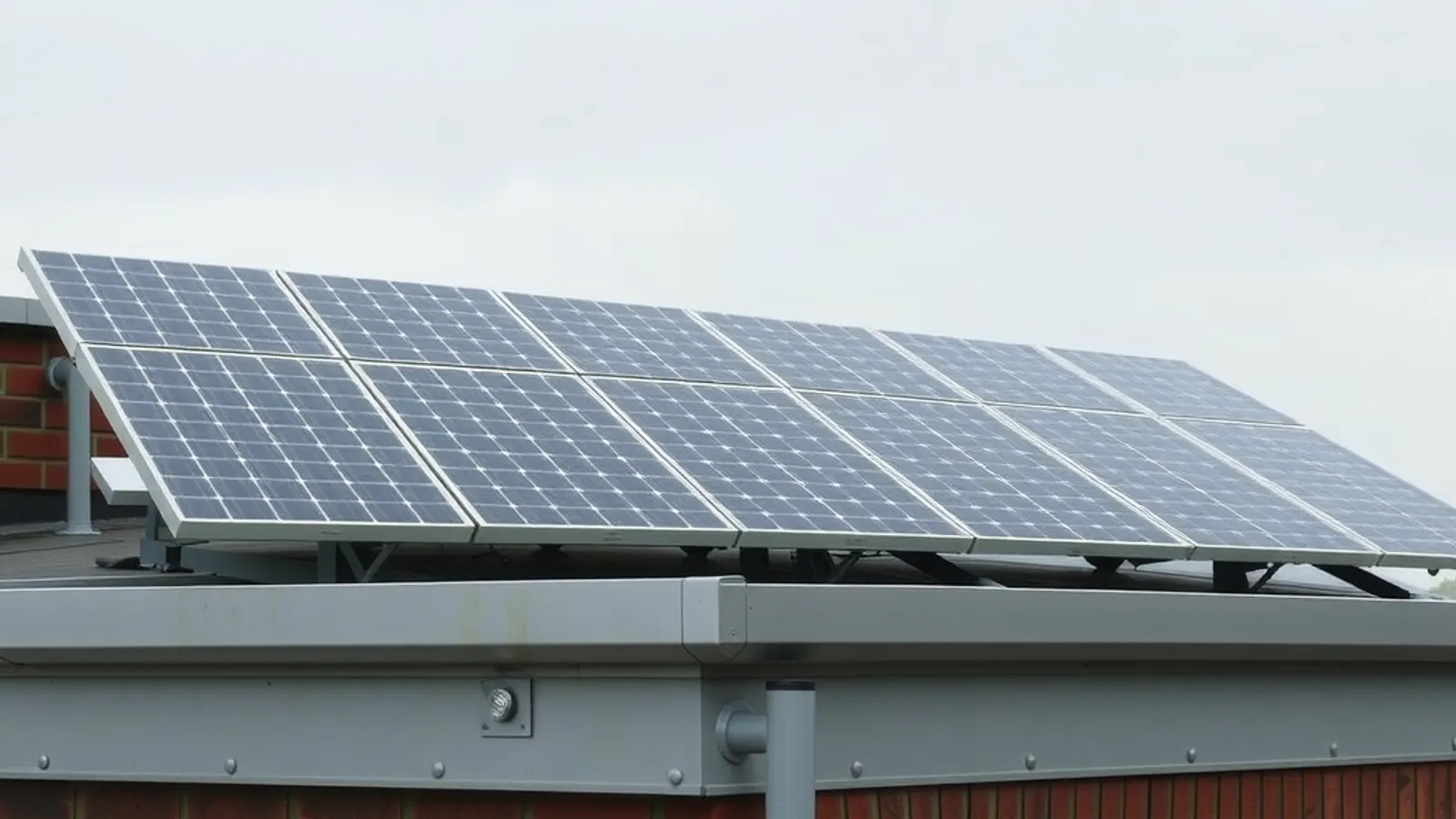
Commercial solar and insurance: what changes on your policy
Adding solar changes your insurance, because the panels change what the policy covers. What to tell your insurer, what RC62 is, and who insures panels under a PPA.
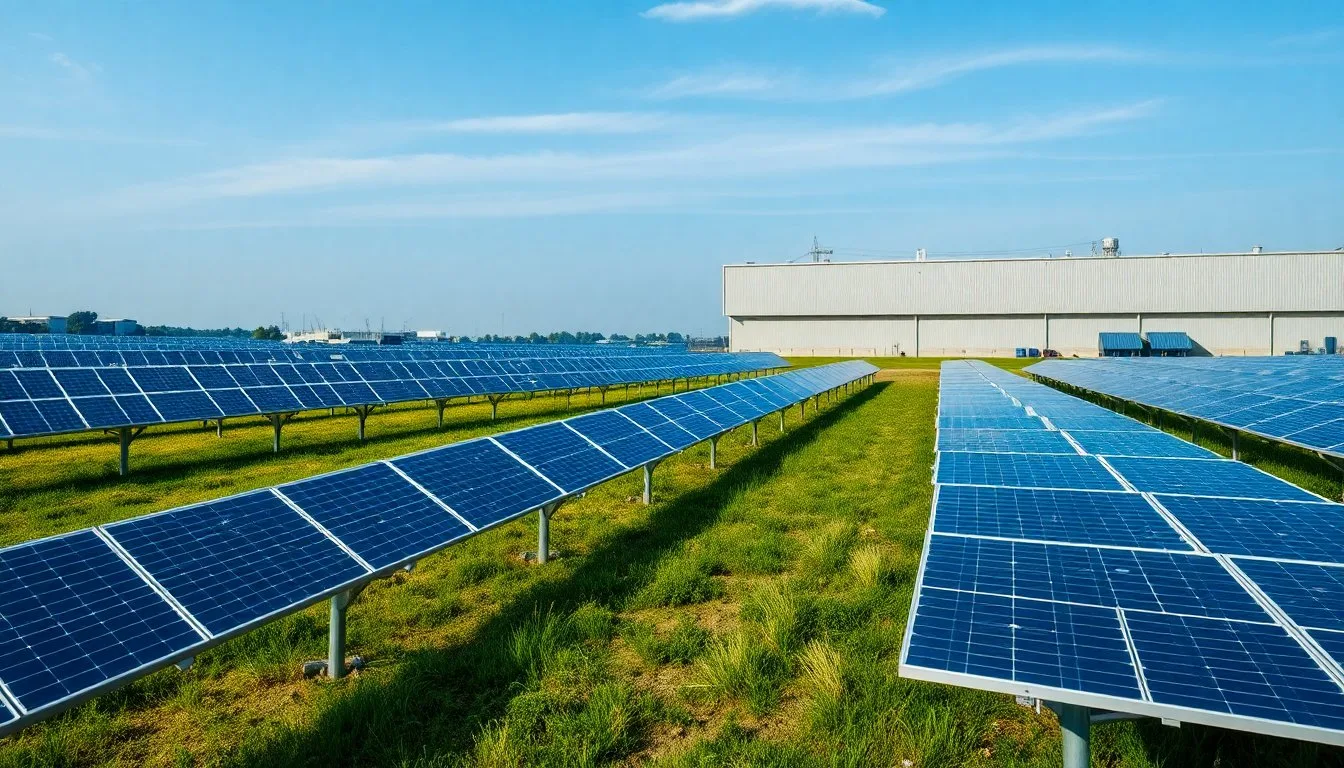
Ground-mount vs rooftop solar for a commercial site
Choose between rooftop, ground-mount and car park canopy solar. Roof condition decides a rooftop scheme, while land grade and planning decide a ground-mount one.
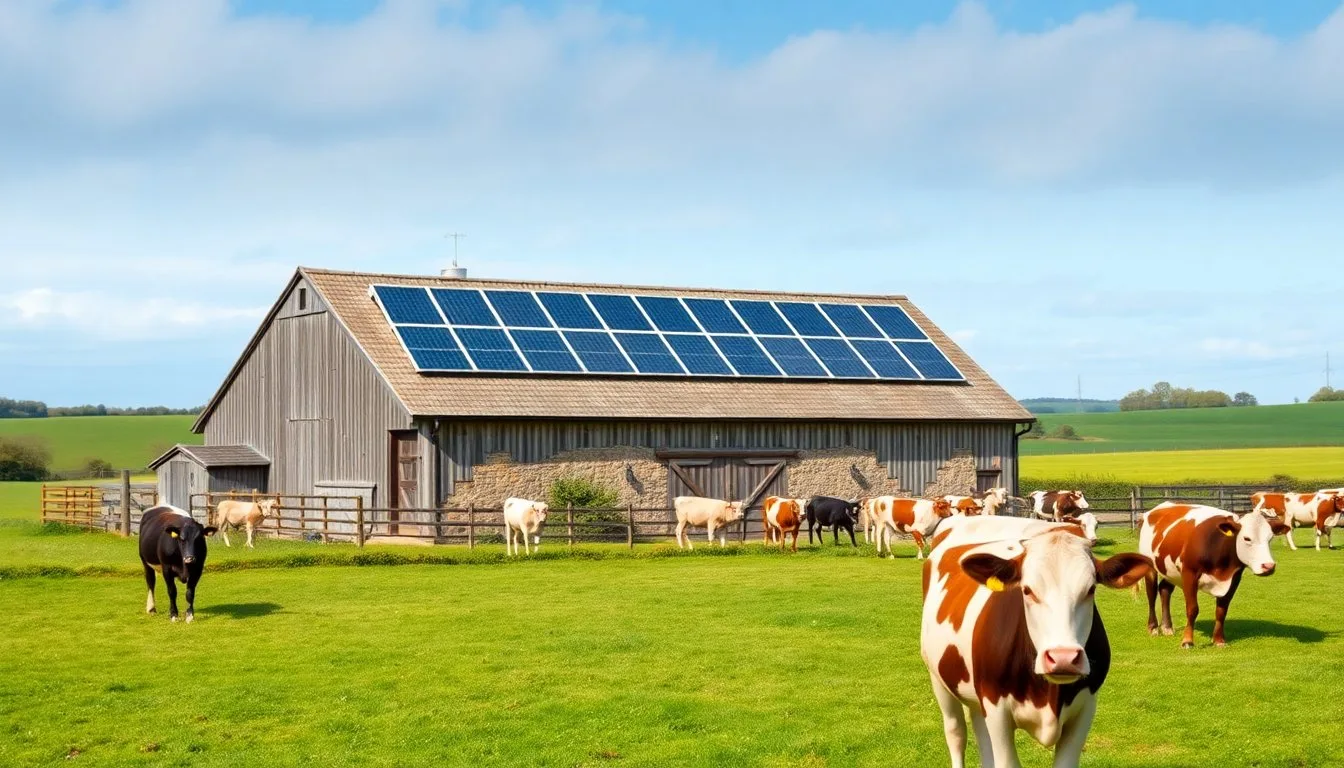
Dairy farm solar: rooftop, ground-mount or grazing income?
A dairy farm can put solar on its sheds or spare land, while leasing land to a developer is a third option. How the milking load, roofs and grid limits decide.
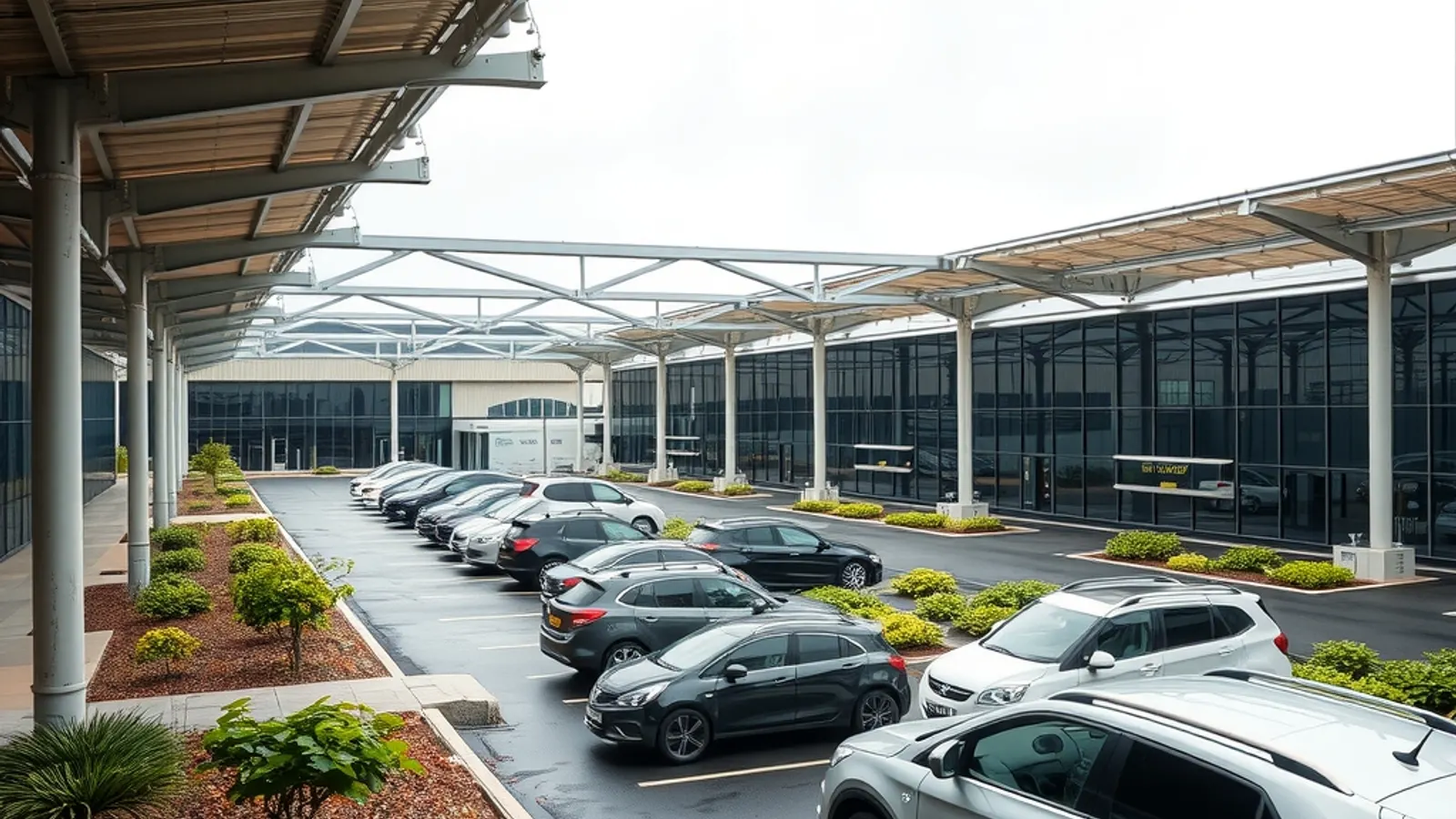
SECR and ESG reporting: how solar evidence actually fits in
What SECR requires and how to evidence on-site solar in your report. Solar can cut your reported emissions, yet it is never the whole net-zero story.
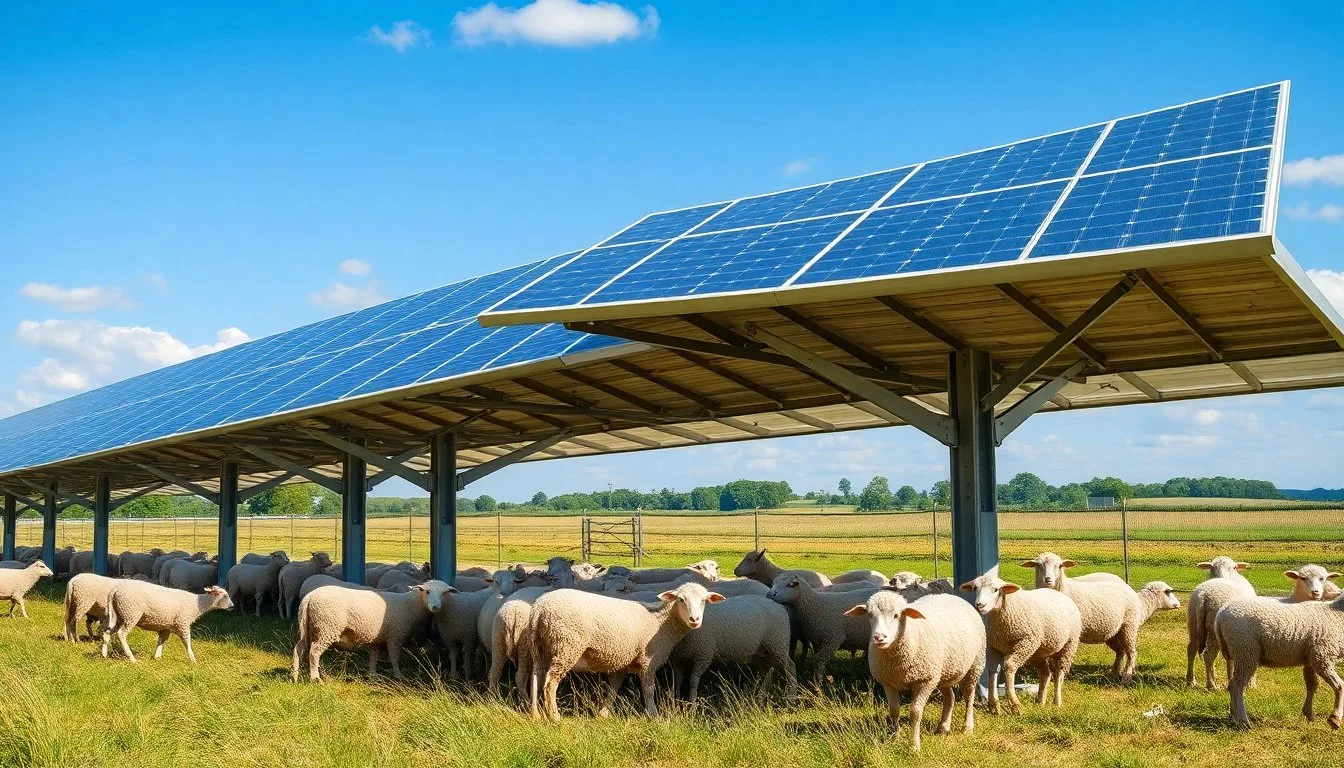
Agrivoltaics in the UK: grazing and cropping alongside solar
Agrivoltaics keeps farming going on land that also hosts solar. Grazing between rows is common, while cropping is rarer. What government says and what to check first.
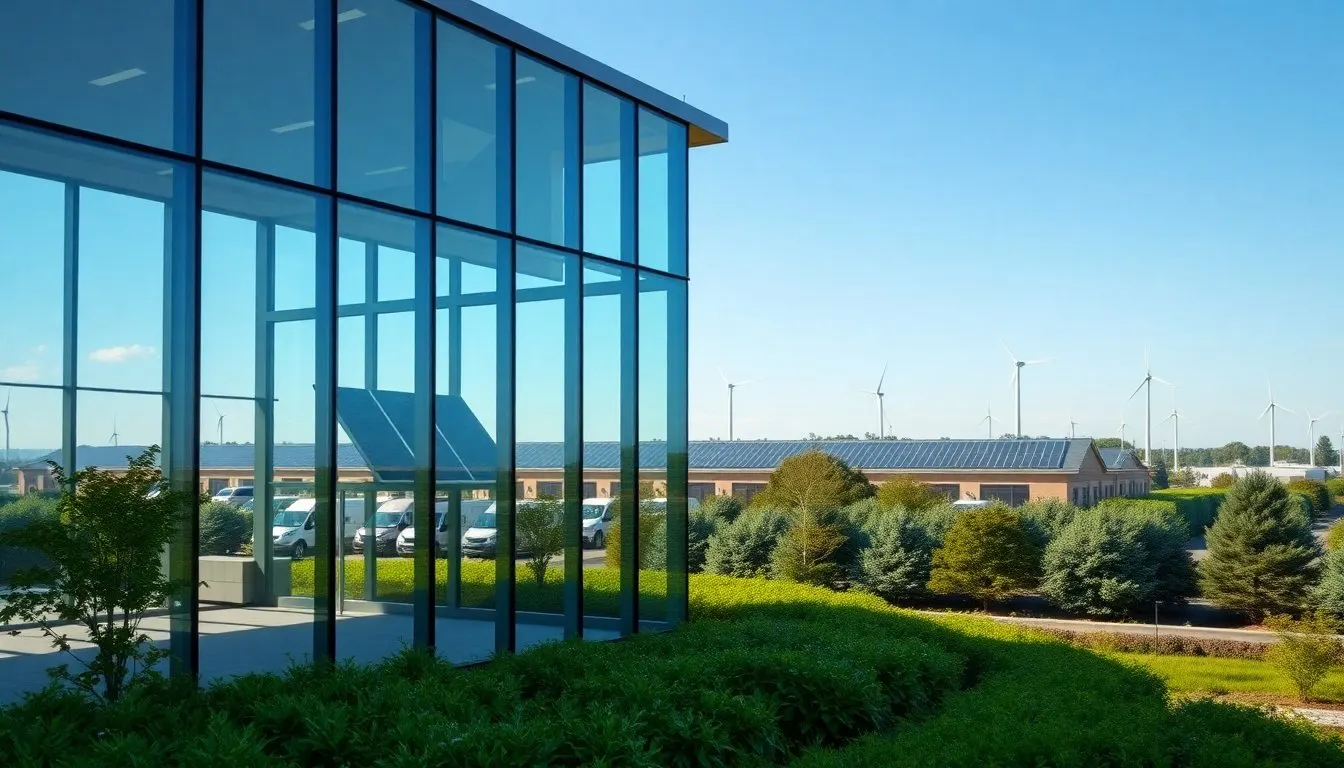
What net zero really asks of a UK business, beyond solar
Net zero for a business covers Scope 1, 2 and 3 emissions. Solar helps with Scope 2, while most footprints sit in the supply chain. What a credible plan needs.
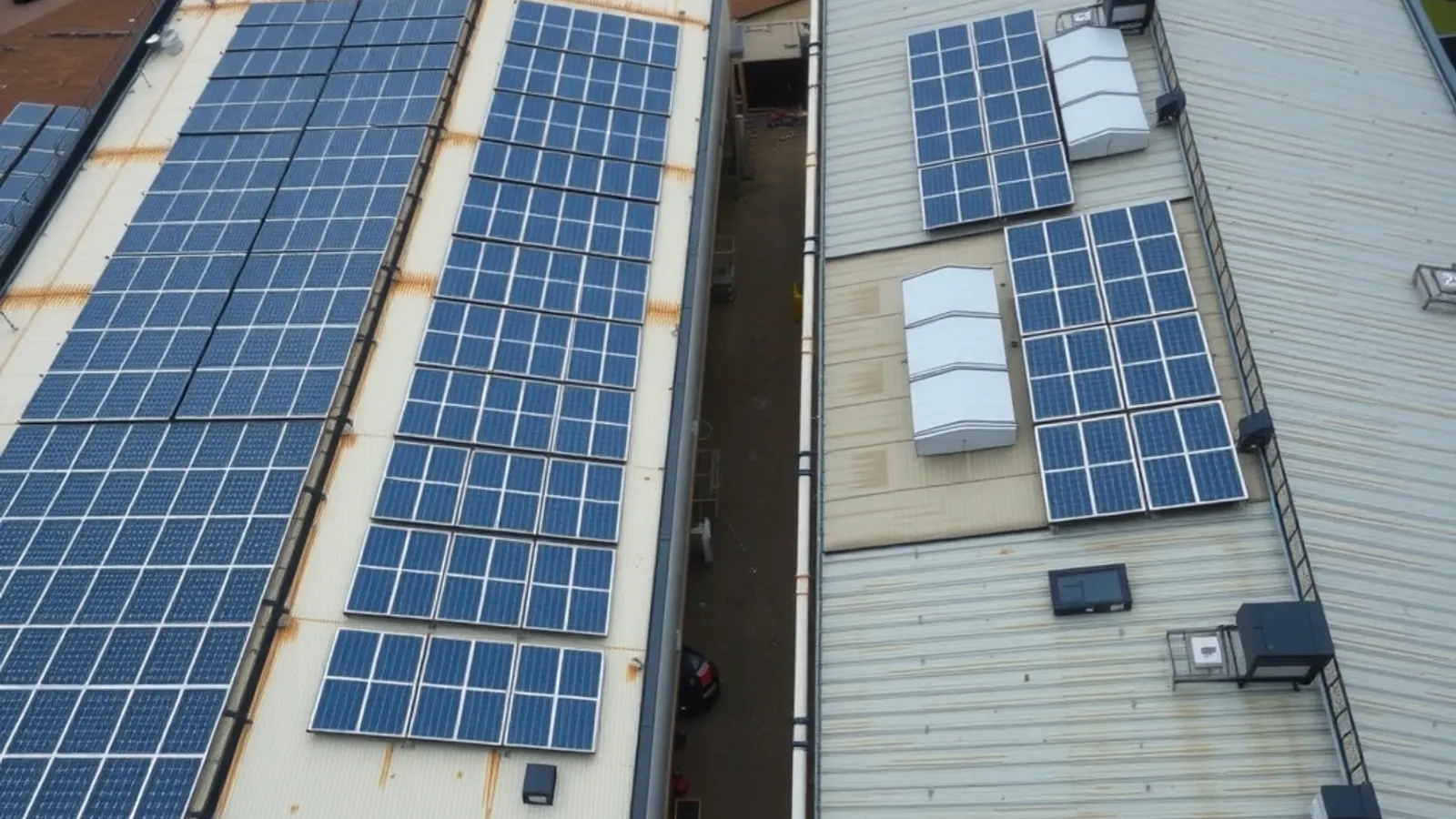
Independent solar advisor or installer survey: what differs
An installer's free survey leads to a quote, while independent advice can say no. Compare the incentives, the outputs and the questions that show which you get.
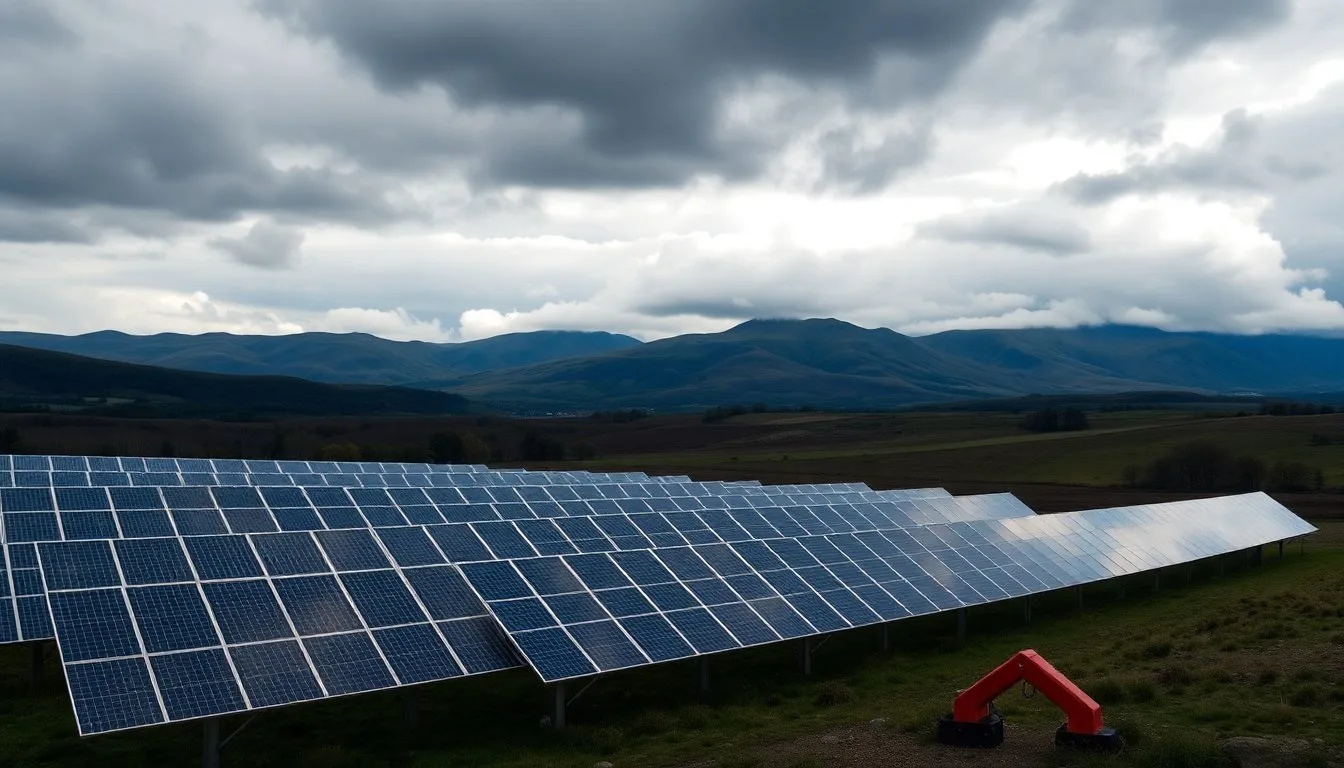
Scotland's Section 36 consenting process for solar, explained
How large Scottish solar schemes get consent: the 50MW line, the Energy Consents Unit and deemed planning permission, plus the threshold review that is still open.
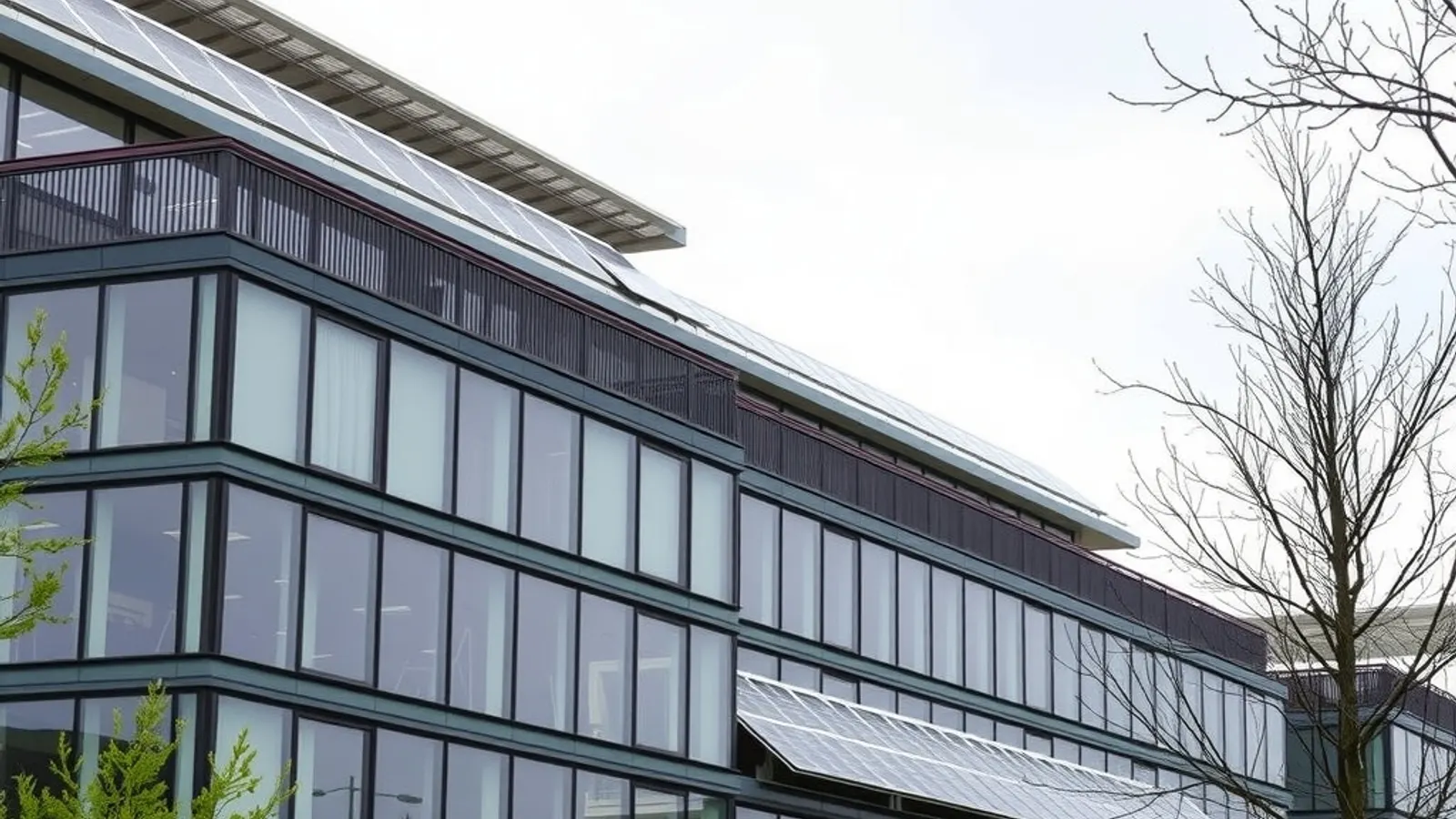
Solar, EPC ratings and MEES: what commercial landlords need to know
Landlords in England and Wales cannot let property rated F or G. What MEES requires, where solar helps, and why the 2031 EPC B rule is still only a proposal.
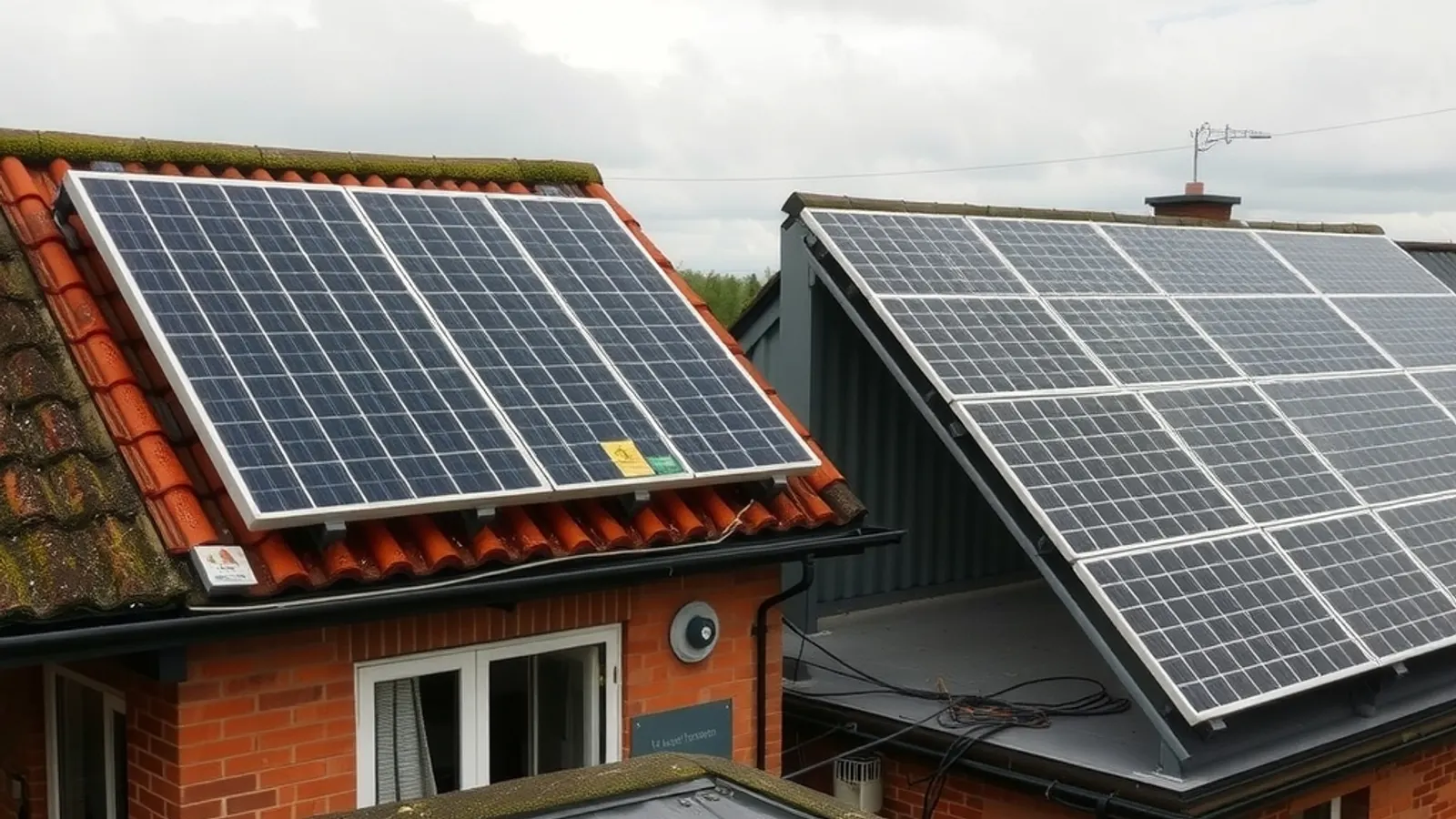
What happened to the Feed-in Tariff, and what replaced it?
The Feed-in Tariff closed to new applicants on 1 April 2019. The Smart Export Guarantee replaced the export side, yet nothing replaced the generation payment.
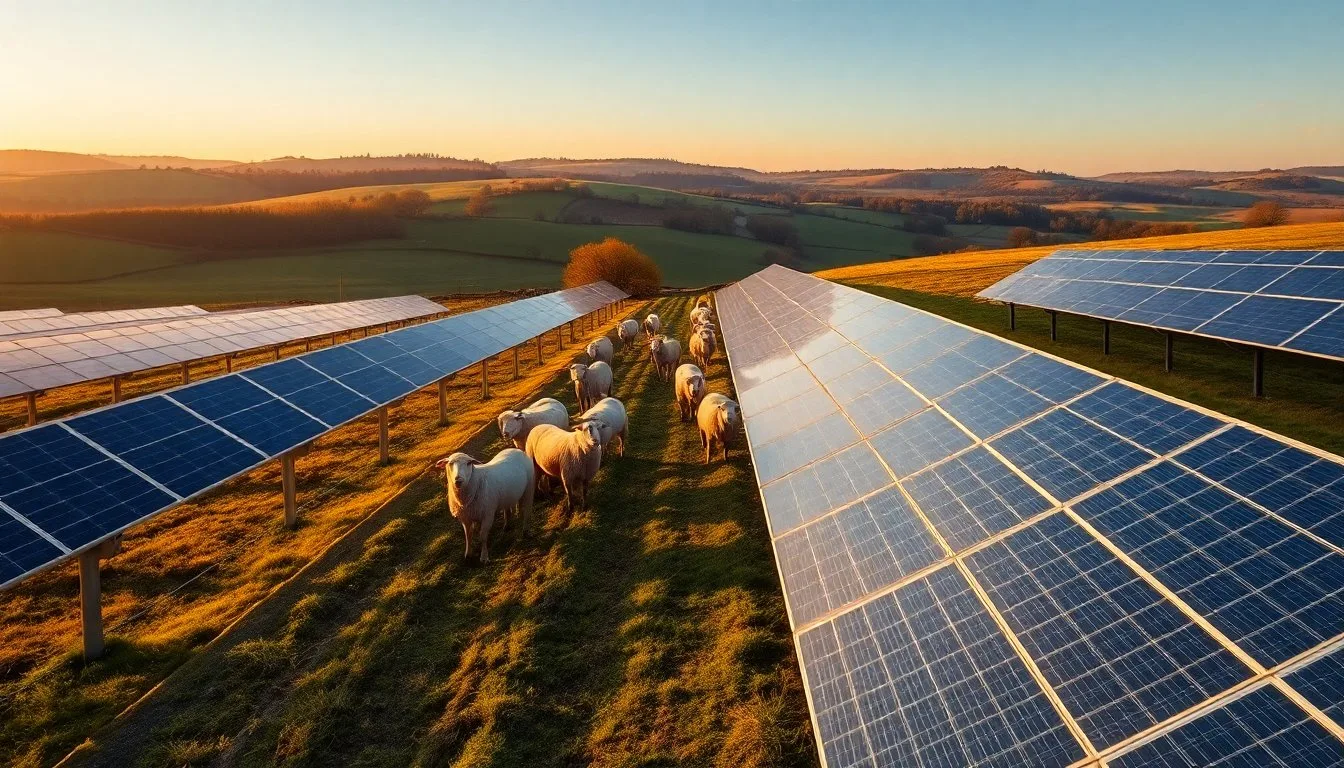
Solar farm land leases: how much are landowners actually being paid in 2026?
Published benchmarks for UK solar farm lease rents, what moves the number, and the inheritance tax effect that most developer offer letters leave out.
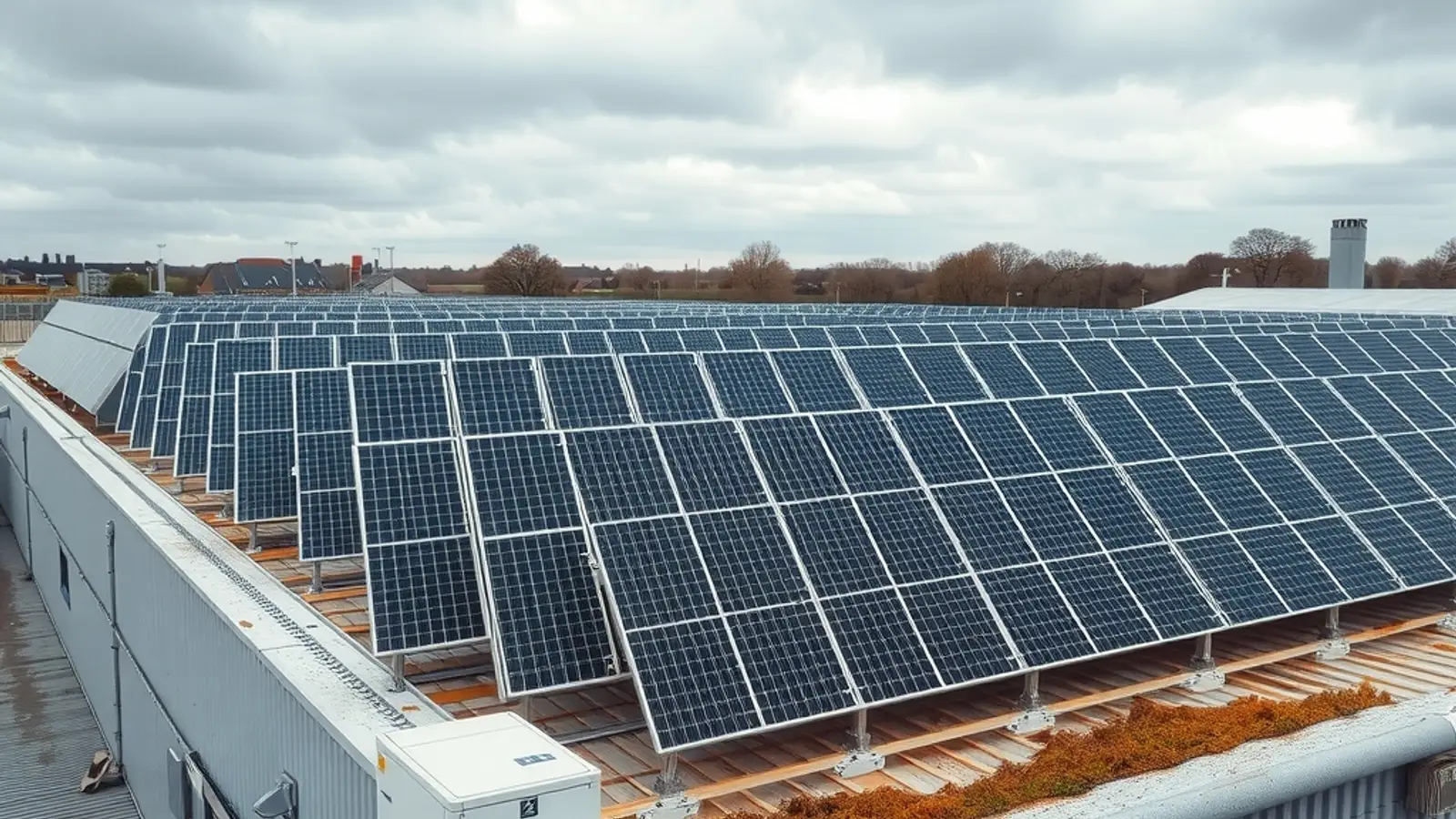
PPA, outright purchase or lease for commercial solar
Buying, leasing and a power purchase agreement all put solar on your site, yet they differ on ownership, tax relief, balance sheet treatment and end-of-term options.
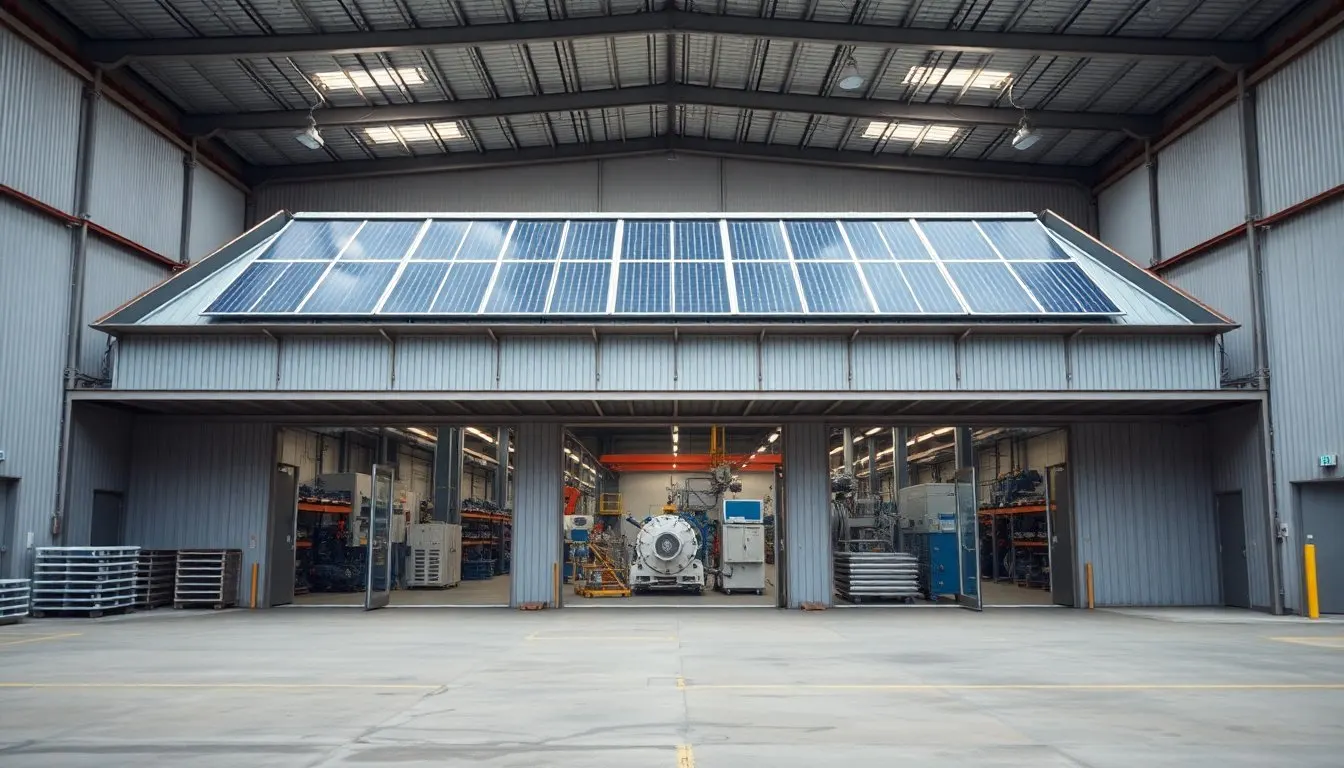
Solar for manufacturing: process heat, compressed air and matching daytime load
Factories should match solar to shift patterns, compressed air and process heat, since power used on site is worth more than power exported. The checks that show the fit.
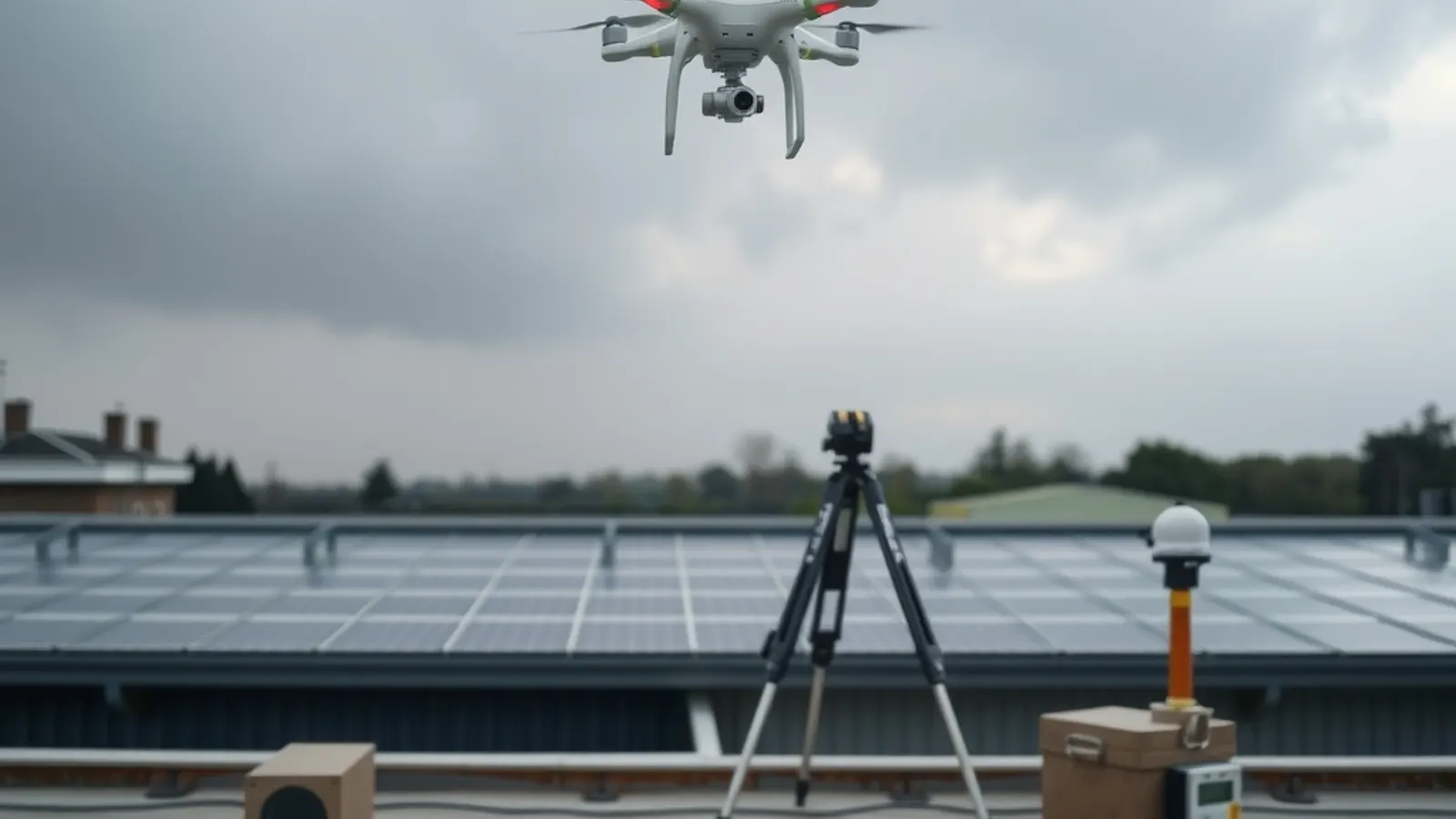
What a commercial solar feasibility study involves
What happens in a commercial solar feasibility study, for example the desktop review, roof survey, shading, grid enquiry and numbers, and a report that can say no.
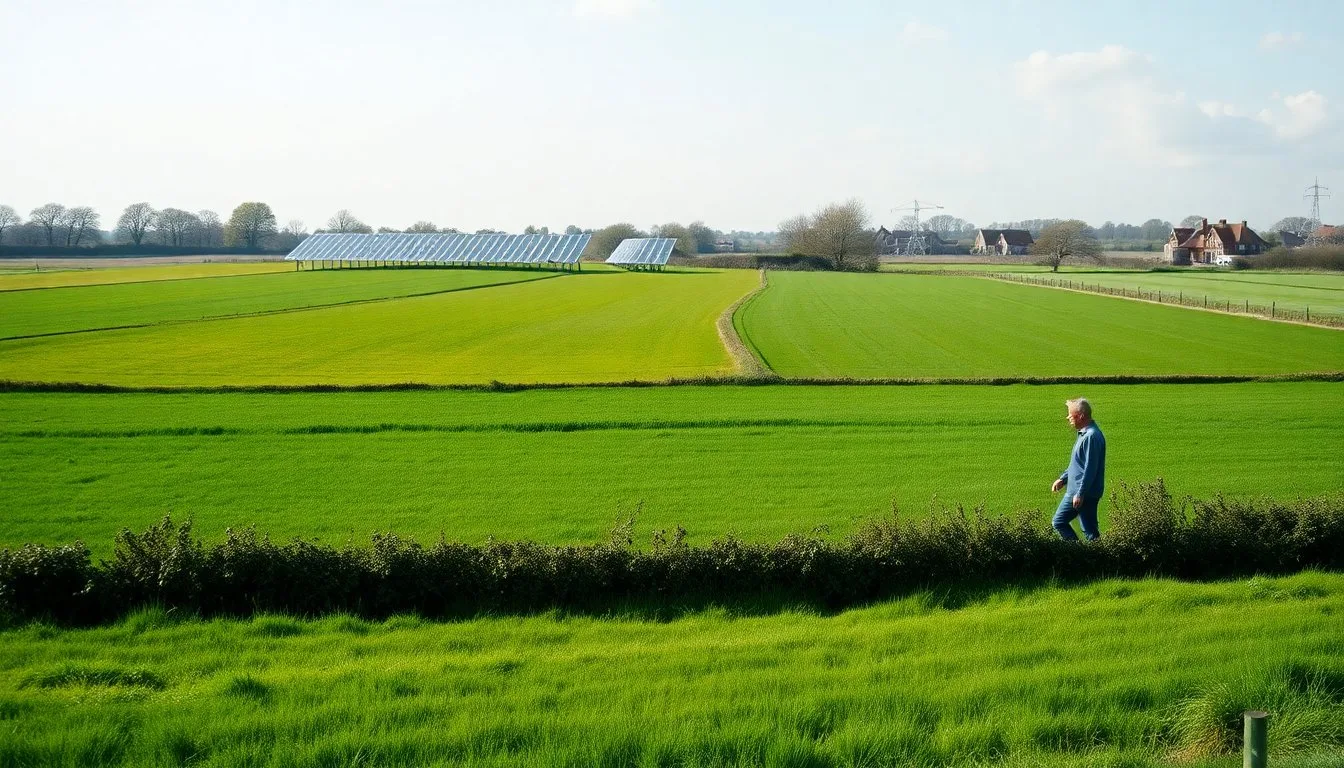
Agricultural Land Classification and solar: what farmers need to know before signing a lease
Your field's ALC grade shapes the planning risk of a solar lease, because policy steers solar away from the best land. How grades 1 to 5 work and what to ask.
Solar panel degradation and warranties: what "25 years" really covers
A 25-year solar warranty is usually two promises, because the product and its power output are covered separately. How degradation works and what to get in writing.
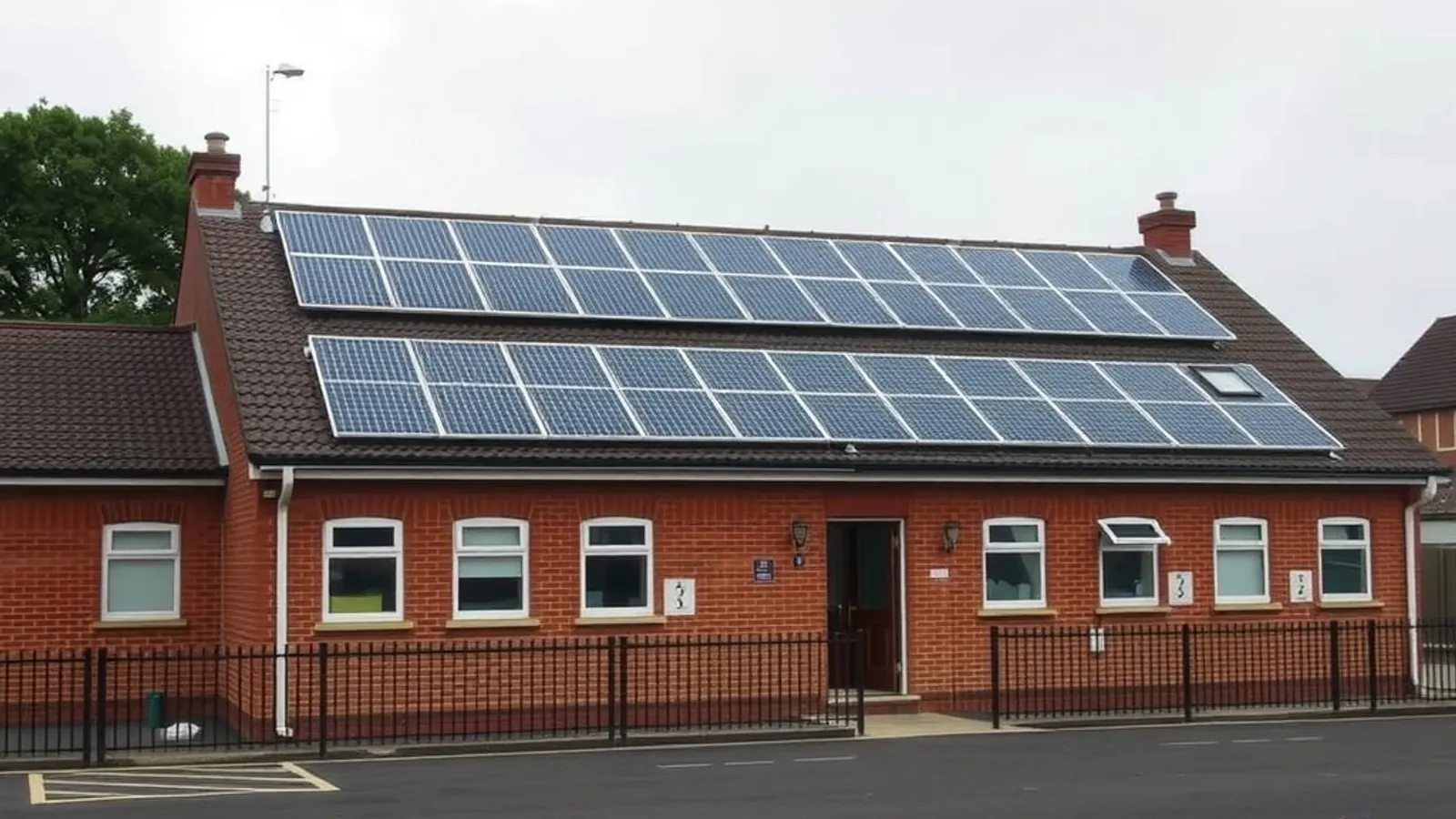
Buying solar under the Procurement Act 2023: a public-sector guide
How councils, schools, universities and NHS bodies can buy commercial solar under the Procurement Act 2023, by running their own tender or calling off a framework.
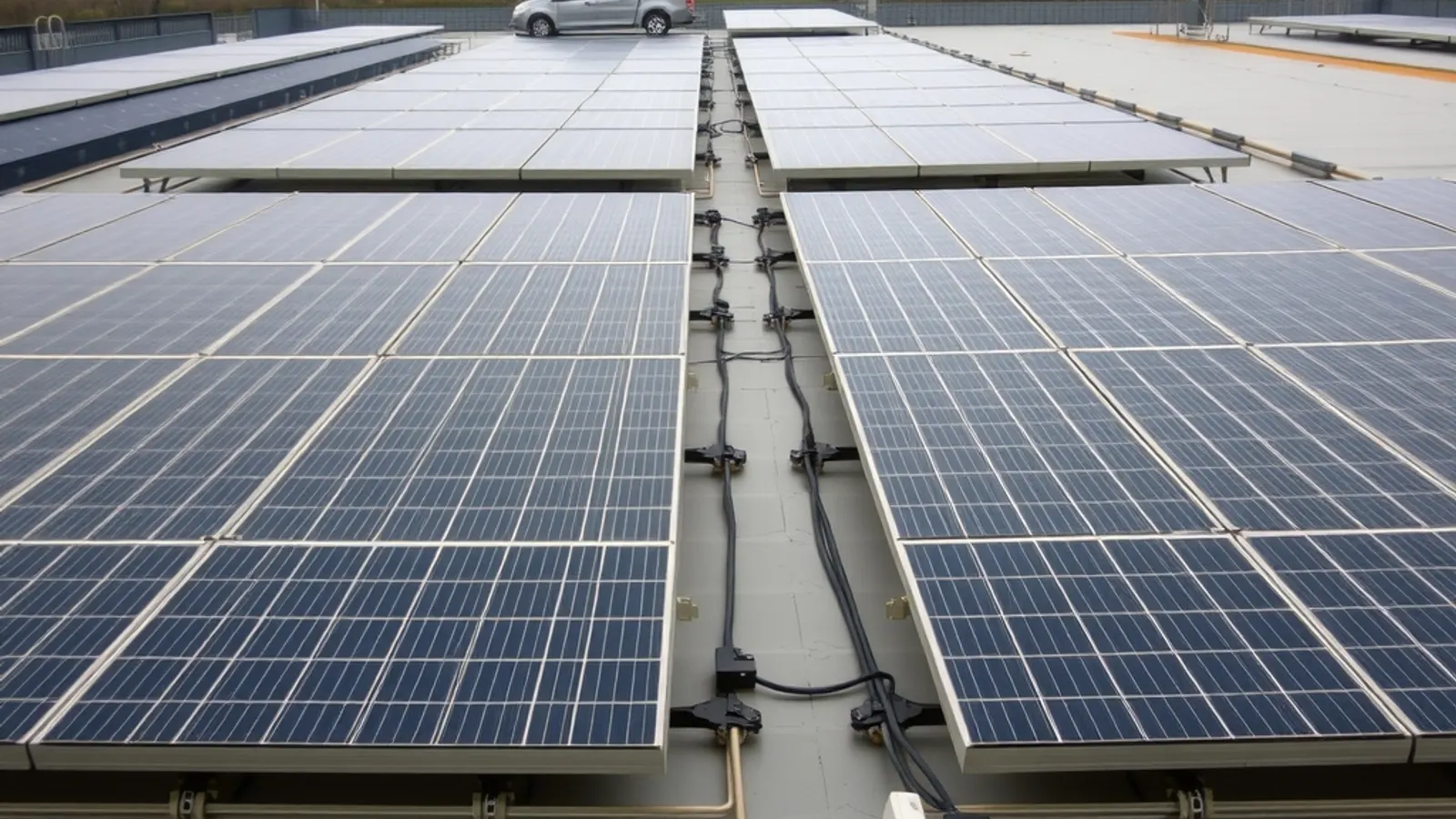
Due diligence checklist before signing a commercial solar contract
Check five things before signing a commercial solar contract: the installer, its finances, the warranties, a performance guarantee and the contract terms.
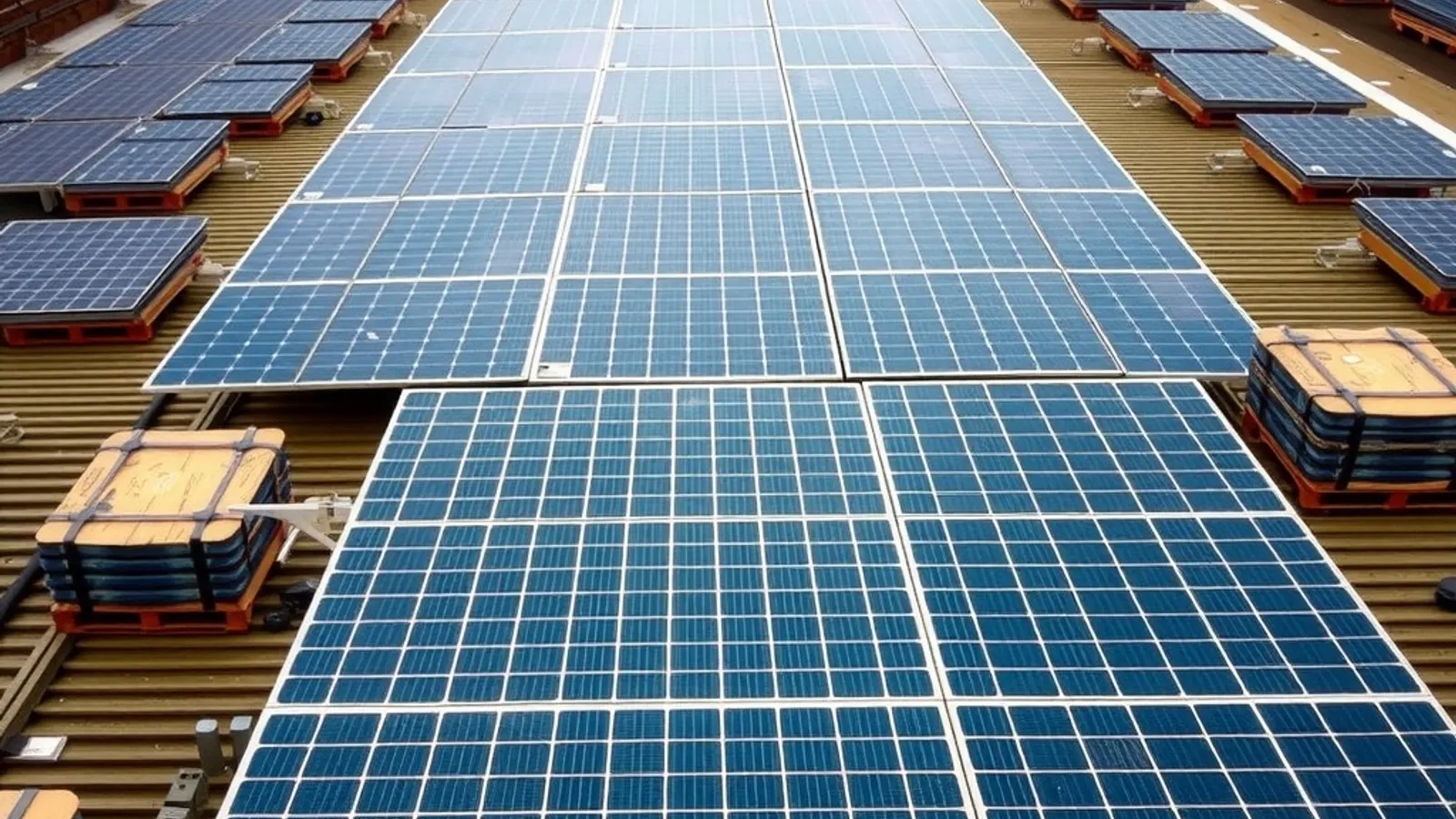
Solar and full expensing: why the claim is wrong
Solar does not qualify for full expensing because HMRC classes panels as special rate. See which relief applies instead, with a worked example and sources.
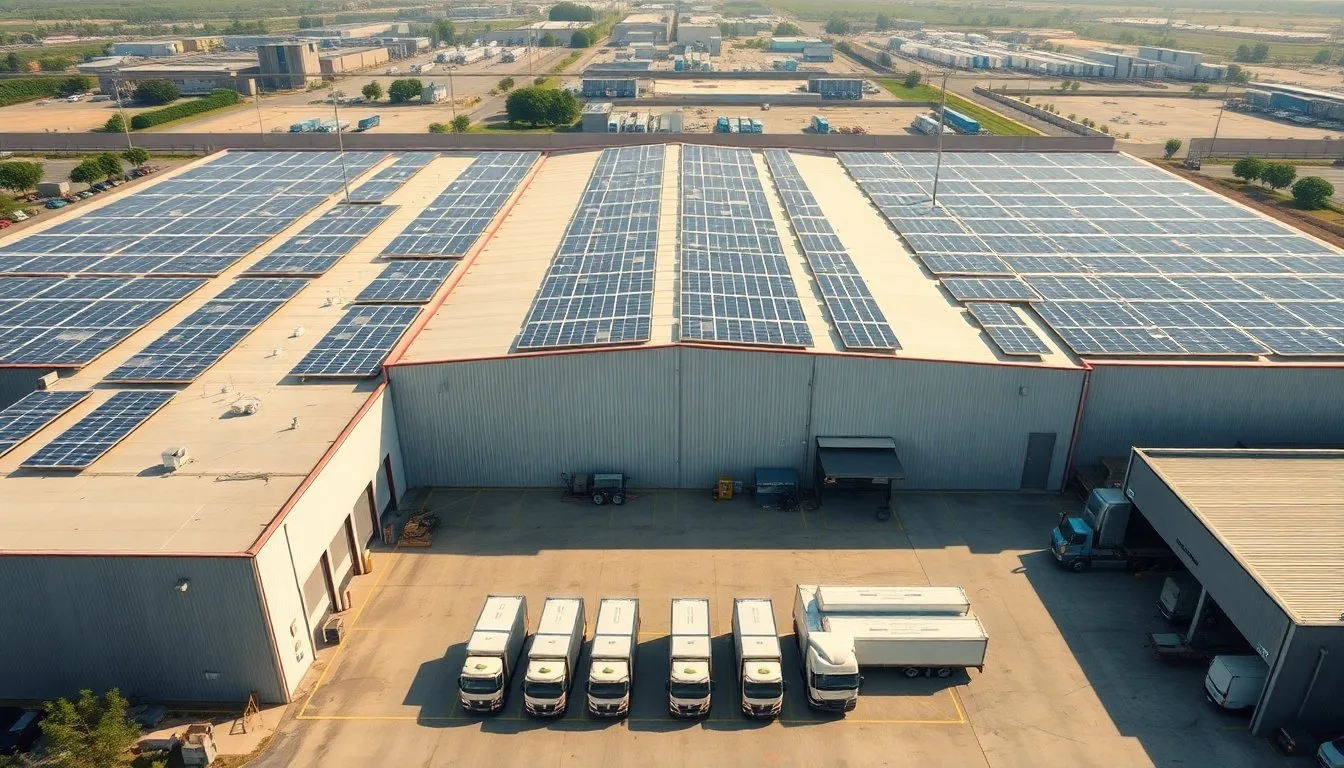
Solar for warehouses and logistics: what decides whether a big roof pays
A large warehouse roof is a strong start for solar. Still, three checks decide the outcome: the roof structure and covering, grid capacity, and how much power you use on site.
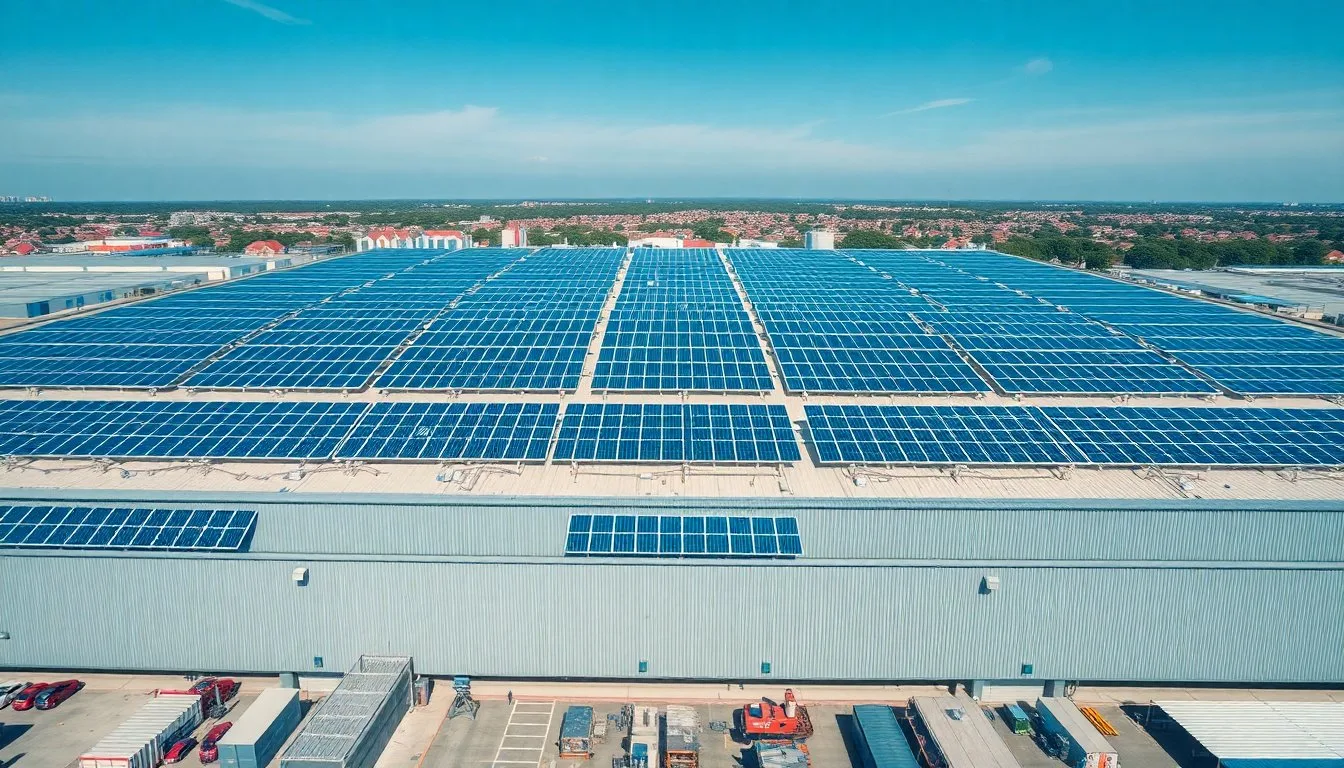
How much does commercial solar cost in 2026?
Official data shows solar cost per kilowatt falls as systems grow, because some costs do not rise with size. A worked payback example with every assumption shown.
Didn't find your answer?
Tell us about your site and your question. A first call is free, and there's nothing for us to sell you.