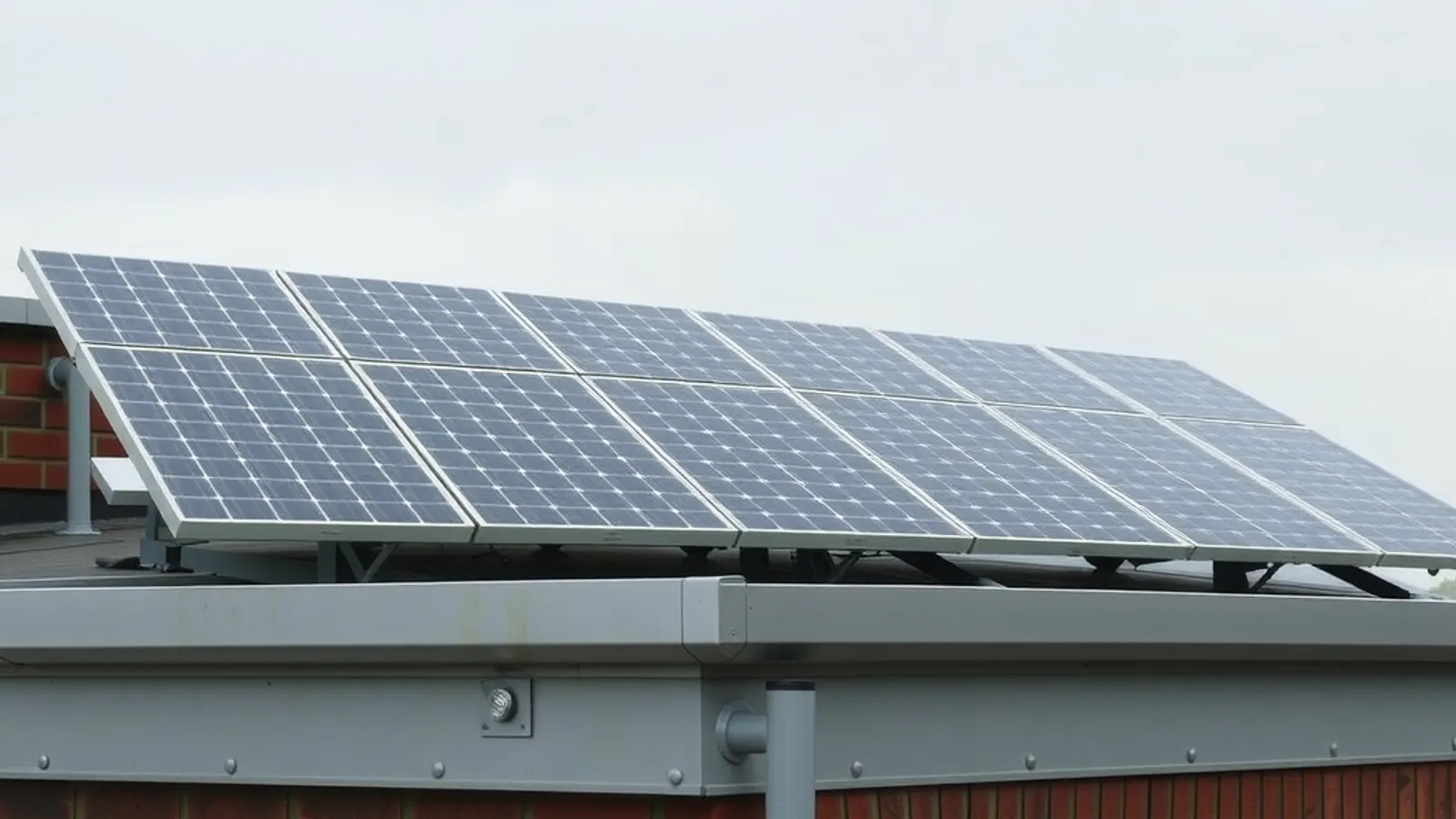
Adding solar to a commercial building changes your insurance in three ways, because the risk changes. You should tell your insurer before the work starts. You should raise the buildings sum insured to include the panels. On larger roofs, the insurer may also ask how the design follows the industry’s fire-safety guidance, known as RC62. If you skip these steps, a later claim can be reduced or disputed.
The details depend on your policy wording and your insurer, so use this as a checklist for a talk with your broker.
Tell your insurer first
A solar array is a physical change to the building and a new asset. Insurers price the risk of the building you have, because a major change alters that risk.
For business insurance, the Insurance Act 2015 requires a fair presentation of the risk before the contract starts. You must disclose every material circumstance you know or ought to know. If you cannot, you must give enough detail to prompt the insurer to ask more. Many policies also say you must report changes during the year. Read yours. Then ask your broker to confirm in writing that the insurer accepts the installation.
Update the sum insured
Panels fixed to the roof are part of the building. Your buildings sum insured should cover the full cost of reinstating the property, so the installed value of the system belongs in that figure.
Check your policy for an average clause, which is common in property cover. While it may not apply to you, it is easy to miss. Where it applies, a building insured for less than its true rebuild cost can have claims cut in proportion. This can hit claims that have nothing to do with the panels, such as a storm. Ask your broker whether your policy has one. Ask too whether the insurer will charge extra for the added value.
What RC62 is
RC62 is the Joint Code of Practice for fire safety with solar panel installations. It focuses on commercial rooftop systems, and version 2 came out in 2023. RISCAuthority and MCS wrote it with support from Solar Energy UK. The Fire Protection Association published it.
It is not law. The code itself says each insurer will have its own rules, which may differ from it. Still, brokers and insurers use it as a reference. Points it makes include:
- Discuss the project with the building’s insurer early.
- Install PV on non-combustible roofs, as set out in section 5.4.2.
- Do not run PV arrays across fire barriers or fire walls.
- Remove DC isolators where possible, because many inverters now include them.
- The document cites a 2017 Building Research Establishment study that put DC connectors, inverters and DC isolators behind 84% of PV system fires.
The code is also being revised, so check you have the latest version before you write it into a tender. Name the fire standard you expect, and ask every bidder to show how they meet it. That makes bids easier to compare.
Warranty, workmanship cover and insurance are different things
People often mix these up, so ask each supplier to set them out one by one, because the cover differs.
| What | What it protects against | Who stands behind it |
|---|---|---|
| Product warranty | Defects in panels or inverters | The manufacturer |
| Performance warranty | Output falling faster than the stated curve | The panel maker |
| Workmanship warranty | Poor installation work | The installer |
| Insurance-backed guarantee | The workmanship promise if the installer stops trading | A separate insurer |
A workmanship warranty is only as good as the company giving it. If the installer fails, the promise can vanish, unless an insurer stands behind it. MCS rules on consumer protection are written mainly for home buyers. MCS’s Customer Commitment says that under a commercial contract an installer must:
- fulfil that contract
- provide a system performance estimate
- keep installation records for at least six years from the end of the relevant financial year
It leaves other protection to the contract. So for a commercial job, write the cover you want into the agreement, because nothing else will supply it.
What changes under a PPA
Under a power purchase agreement, the funder usually owns the panels for the term. It normally takes on insuring, maintaining and monitoring them. That removes one job from your list, although you should still check the contract. Confirm that the funder carries enough cover. Ask who pays for damage to your roof, and who is liable if a fault in the system harms your building. Our guide to PPA, purchase and lease compares the models.
If you are adding a battery, tell your insurer about that too, since it changes the fire risk. See battery storage for commercial solar.
Put it in the specification
None of this is a reason to delay a project. It is a reason to put insurance into the specification early, since gaps found after switch-on are harder to fix. A good specification:
- names the fire-safety guidance you expect bidders to follow
- states the installed value your insurer needs for the sum insured
- asks bidders to explain the workmanship cover and what backs it
- requires the installer to supply the documents your insurer asks for
Our due diligence checklist covers the wider contract checks. Roof surveys and structural loading explains the roof side. Our procurement and tender support service pins these points down for every bidder, so nothing is missed after signing.
Insurance is one cost line in a wider case. Our energy and ROI modelling includes premiums and running costs, while a feasibility study flags the roof and fire points an insurer will ask about. Under a PPA, PPA and financing advice checks who insures what, and procurement and tender support puts those duties into the contract.