PPA & Financing Advice
There are three ways to pay for commercial solar: buy the system, lease it, or sign a power purchase agreement and buy the electricity. We model each on your numbers and read the contract before you sign.
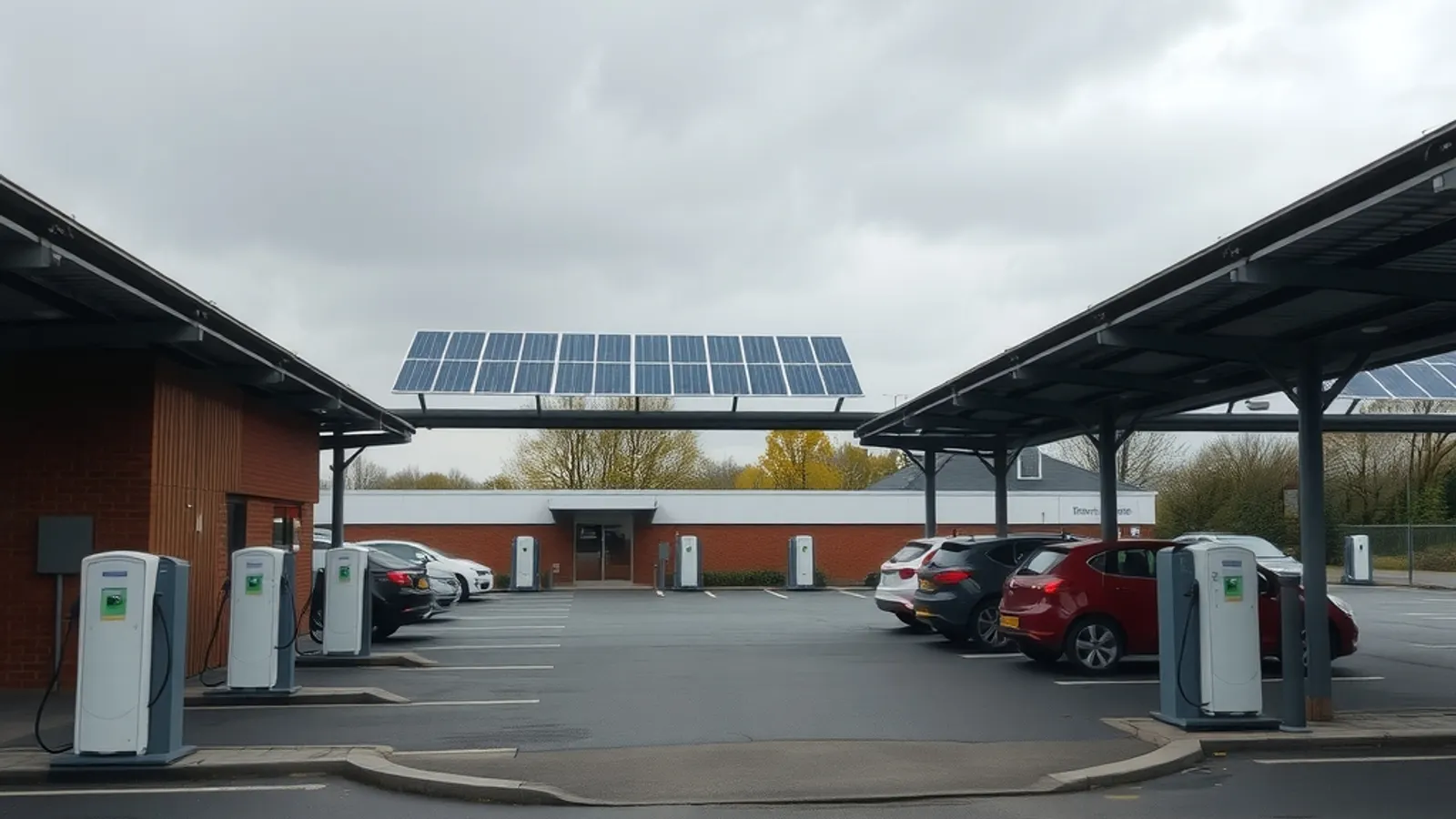
Three routes pay for commercial solar. You can buy the system, lease it, or sign a power purchase agreement (PPA), in which a funder owns the array and sells you the electricity. Each route moves capital, risk and tax relief to a different party.
Buying keeps the savings and the tax relief. A company can claim the Annual Investment Allowance of £1 million a year. Above that, solar counts as special-rate spending and gets a 50% first-year allowance, with the rest written down at 6% a year. You also carry the maintenance, insurance and performance risk.
A PPA turns the project into a unit price. The funder pays for the system, owns it and claims the allowances. You pay for each kWh used, normally at a rate set below the grid price, and the contract may raise that rate every year. Indexation deserves more attention than the opening rate. A price that starts low and climbs faster than your grid tariff can wipe out the saving in the later years.
Term and exit are the other pressure points. A PPA runs for many years, so ask what happens if you sell the building, re-roof it, change its use or want to buy the system out. Crown Commercial Service and Solar Energy UK both publish introductions to PPAs, and both are worth reading before you meet a funder.
Accounting treatment is a question for your auditor. Depending on how the contract is drafted, a lease or PPA may have to appear on the balance sheet. Ask early, because the answer can decide which route a board will approve.
We compare the routes on one cash-flow basis, using your load and tariff, so the choice rests on your cost of capital and how much you want to own.
What it delivers
- Purchase, lease and on-site PPA modelled on one cash-flow basis
- Plain-English reading of tariff, term, indexation and buy-out clauses
- The cash-flow and tax effect of each route
- Review of heads of terms and draft contracts
- Support when negotiating with the funder or developer
Outcomes
- A funding route matched to your cost of capital
- PPA terms you understand and can defend
- No surprises in the indexation or exit clauses
Sources & further reading
Frequently asked questions
What is a solar PPA?
A power purchase agreement is a contract in which a funder installs and owns the system on your roof or land and sells you the power it makes. You pay by the unit, with no up-front cost.
Is a PPA always cheaper than buying?
No. Buying usually returns more over the life of the system if you have the capital, while a PPA gives up part of that return in exchange for no up-front spend and less risk.
Insights on ppa & financing advice
Solar PPA contract red flags to check before you sign
Twelve clauses to read in a solar power purchase agreement, because the risk sits in the small print: price rises, buy-out, early exit, sale of the site and removal.
Read more →PPA, outright purchase or lease for commercial solar
Buying, leasing and a power purchase agreement all put solar on your site, yet they differ on ownership, tax relief, balance sheet treatment and end-of-term options.
Read more →Choosing how to fund solar?
Send us the draft heads of terms or the options you are weighing. We will say where the risk sits.