Net-Zero Strategy
Solar is one lever in a net-zero plan, not the whole answer. We show where it fits beside efficiency, storage and green purchasing. We also show how its carbon saving feeds your reports.
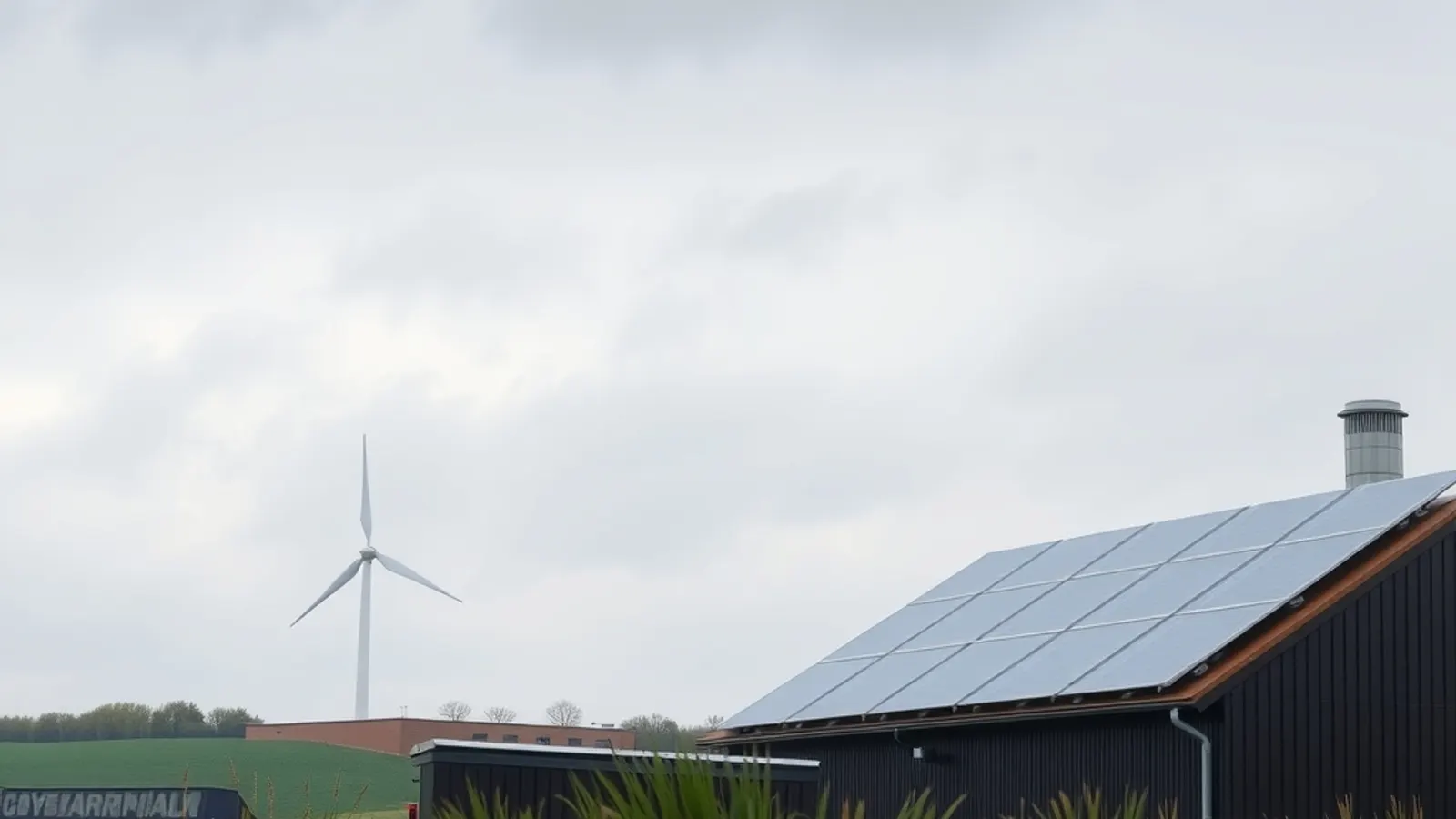
Solar is visible and popular. So it is often the first thing a firm buys and the last thing it models properly. In a sound plan it sits beside efficiency, storage, flexible demand and the way you buy the power you still need.
The carbon sums are simple, which is why they deserve care. Electricity generated and used on site is not bought from the grid, so it drops out of a company's Scope 2 emissions under the Greenhouse Gas Protocol. To turn kilowatt-hours into tonnes, the government publishes conversion factors for company reporting each year. We use the factors for the year being reported and cite them.
SECR is a binding rule for many companies. Quoted companies, and large unquoted companies and LLPs, must report UK energy use in their annual report. They must also report the emissions that follow and an intensity ratio. 'Large' is judged on staff, turnover and balance sheet. Government guidance says the April 2025 rise in company size thresholds means SECR no longer matches the Companies Act test. Check the figures for your own company. A firm that used under 40,000 kWh in the year is exempt from disclosing.
Public bodies must check whether SECR applies to them. They should follow the method in the Environmental Reporting Guidelines. The same evidence tables serve both groups.
Ranking measures by cost per tonne saved often changes the order. Solar scores well where daytime demand is high and poorly where it is not. Heat, refrigeration or fleet charging may offer bigger cuts for the same spend. We model them together so solar sits where the numbers put it.
What it delivers
- A roadmap that places solar among the other carbon measures
- Cost and carbon per measure, so solar is ranked fairly
- Alignment with SECR and mainstream ESG reporting
- Carbon factors and sources your auditors can check
- A board paper that links the capital case to the carbon case
Outcomes
- Solar placed honestly within a wider plan
- Carbon savings you can report and defend
- One story that finance and sustainability teams both accept
Sources & further reading
Frequently asked questions
Is solar enough to reach net zero?
Rarely on its own. It is one lever beside efficiency, storage and purchasing, and we show what else the plan needs.
Will the savings count in our SECR or ESG reporting?
Generation used on site reduces the grid electricity you buy, which is what Scope 2 measures. We prepare the figures and sources in the format your reporting team needs.
Insights on net-zero strategy
Solar panel recycling in the UK: who pays and what you must do
Solar panels are WEEE. See who pays for recycling, your waste duty of care, and why end-of-life terms still matter before you buy.
Read more →SECR and ESG reporting: how solar evidence actually fits in
What SECR requires and how to evidence on-site solar in your report. Solar can cut your reported emissions, yet it is never the whole net-zero story.
Read more →What net zero really asks of a UK business, beyond solar
Net zero for a business covers Scope 1, 2 and 3 emissions. Solar helps with Scope 2, while most footprints sit in the supply chain. What a credible plan needs.
Read more →Building a net-zero plan?
Tell us your reporting year and what you must disclose. We will map where solar fits.