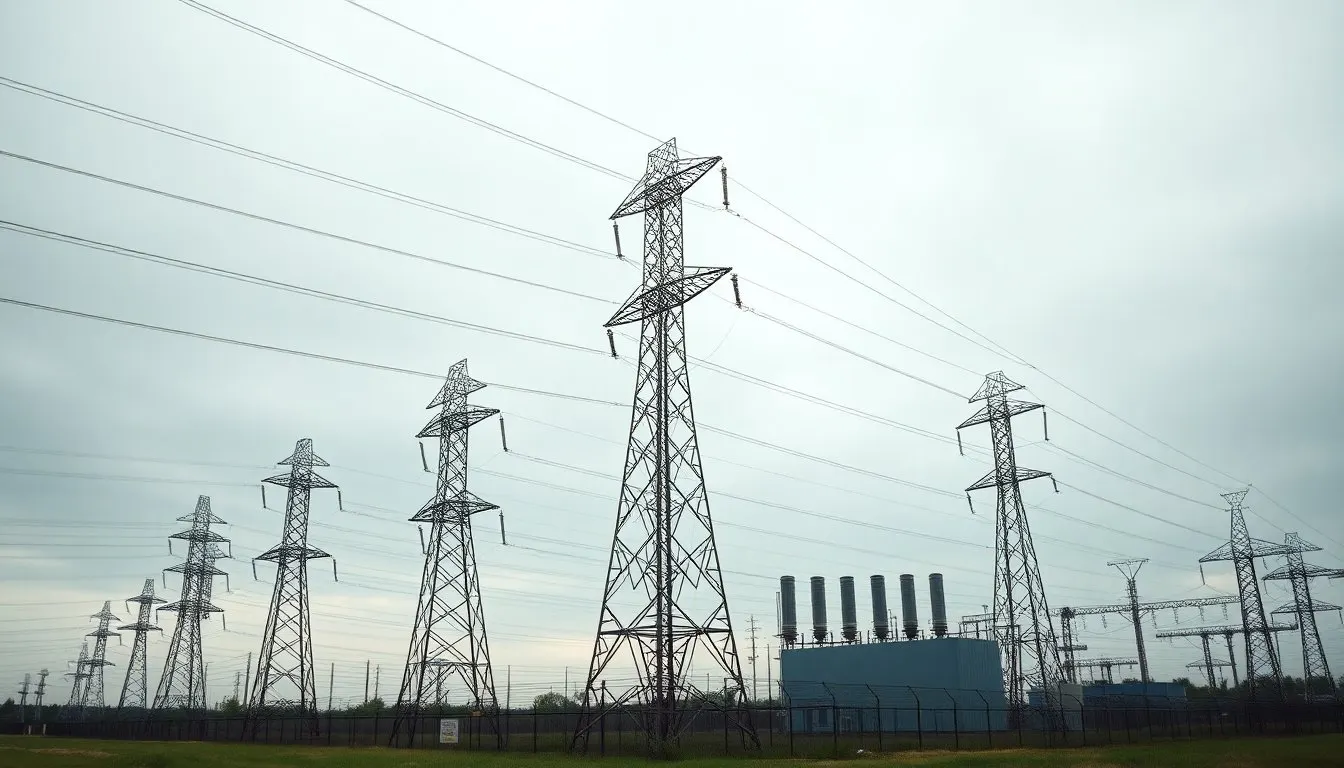
Commercial solar projects are held up by two different queues, and only one of them has been reformed. The national queue of generators waiting for a connection was cut by nearly two thirds in the reform that Ofgem approved in 2025. The local queue at your district substation works differently, and for a rooftop or small ground-mount system it is the one that sets your date. This briefing sets out what changed, what did not, and how to build the risk into a plan.
The national queue: what the numbers show
NESO, the system operator, says the queue had grown to over 700GW of projects, about four times what is needed by 2030. It adds that some shovel-ready projects were waiting up to ten years.
Ofgem approved the reform package known as TMO4+ in April 2025. It replaced first come, first served with a gated process. A project in Gate 2 has met tests for readiness and for fit with the country’s plans. It receives a confirmed connection date and queue position. A project in Gate 1 does not meet those tests. It gets no confirmed date, though it can move up in later windows if it shows readiness. NESO’s reform overview describes both gates.
By December 2025 Ofgem reported that the queue had been reduced by nearly two thirds. The same update proposed tougher licence rules and penalties for network companies that miss connection deadlines.
The local queue: where small commercial solar actually waits
Most commercial solar does not connect to the national transmission grid. It connects to the local network run by a distribution network operator (DNO) under G99. That process looks at your site and your feeder, not the national queue.
The reform does reach distribution networks. NESO’s timeline shows two windows for Gate 2 distribution offers. Phase 1 offers run from early July 2026 to mid-November 2026. Phase 2 offers run from mid-October 2026 to mid-March 2027. NESO says Ofgem confirmed the authority for this timetable in June 2026.
Whether a particular small rooftop scheme sits inside the Gate 2 process depends on its size and how it connects. Ask your DNO directly rather than assume. NESO’s pages give no size threshold, so we cannot say where the line falls.
Why delay persists even after reform
Reform fixes the order of the queue. However, it does not add wires.
- Protected dates have slipped. In 2026 Ofgem said projects with 2026 and 2027 connection dates under the protected arrangements will not all receive those dates. It was still examining the causes.
- Offers are phased. The two distribution windows above run into 2027, so a project in the wrong phase waits.
- Local limits remain. A feeder built to deliver power to small loads may not accept export without reinforcement. That is a physical limit, and no queue reform removes it.
- Standards are still being set. Ofgem said it would set out implementation steps later in 2026, including a consultation on licence changes.
Rules in this area move quickly, so check Ofgem and NESO before you rely on any date here.
An illustrative planning example
Take two identical 400 kW rooftop systems. This is a made-up case to show the risk, not a forecast.
- Site A sits near a substation with spare capacity. Its assessment finds no reinforcement. The connection stage is short, and installation follows.
- Site B shares a feeder that is already full of generation. The assessment calls for network works. The offer carries a cost and a longer wait for the works to finish.
The panels, roof and business case are the same. Yet the grid answer differs. If you plan both sites on the Site A programme, Site B will miss every date and may look much worse on payback than you told the board.
What a business can do now
- Ask early. Send a capacity enquiry to the DNO during feasibility, before you design or tender.
- Size to the connection. A smaller system, or one with an export limit, may connect sooner than a larger one. Using more of your output on site also reduces what you export. Our guide to commercial battery storage covers when storage helps.
- Put the grid risk in the programme. Give the connection its own line and a range of dates, not one hopeful date.
- Check the contract. Make sure your installer contract says who carries the risk if the connection is late. Our due diligence checklist for solar contracts lists the clauses to look for.
If your site is on a farm, read rural grid connections and G99 delays, because rural feeders have their own problems. For the whole programme, see how long a commercial solar installation takes.
Where this leaves a 2026 decision
The reform has made the national picture better. It has not made your local answer any quicker to find out. The cheapest protection is to ask the question first. Our feasibility studies include the grid enquiry alongside the roof survey and yield work, so a capacity limit appears as a line in a report and not as a surprise after you have committed money.
Since the local answer is what counts, check it before you design. A feasibility study asks the network operator what capacity there is. Energy and ROI modelling tests the case with a delayed or capped connection, and portfolio optimisation moves sites with good grid access to the front. Procurement and tender support then sets realistic dates in the contract.