100kW Commercial Solar
A 100kWp array sits just above the 50kWp ceiling of MCS's installer standard. On a good site it can pay back in about four years. On a site that uses little power by day, it can take more than ten.
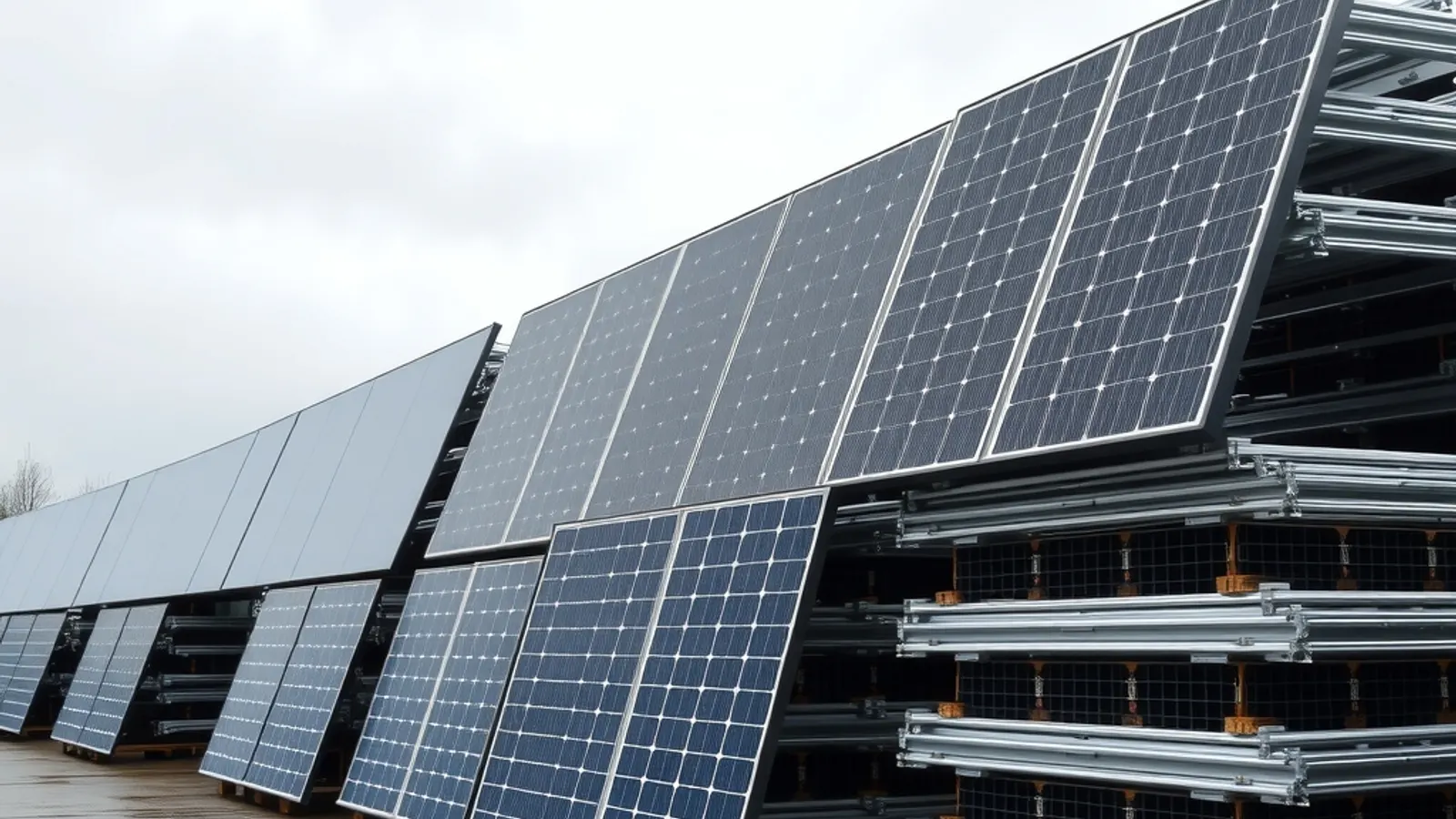
DESNZ publishes cost data for small-scale solar, and the latest release (28 May 2026) puts the median for installations of 10 to 50 kW at about £1,204 per kW, including VAT where it applies. It says the price per kW falls as systems get larger. A 100kWp system sits above that range, so its price per kWp should be lower. Our planning range of £750 to £1,100 per kWp reflects that, but there is no official series above 50 kW to check it against. Get at least three quotes.
The size also changes who sets the rules. MCS's installer standard, MIS 3002, covers systems up to 50 kWp of DC output. A 100kWp system is outside it, so the buyer's specification has to name the design, testing and commissioning standards. Connection works differently too. Anything above 16 amps per phase needs a G99 application, and a 100kWp array falls in the smallest group under it, Type A, which is below 1 MW.
Self-use is what separates a four-year payback from a ten-year one. In the example below, a Bristol office that uses 80% of its output saves roughly twice as much as one that uses half. A building that closes on weekends loses a share of its output on Saturdays and Sundays, when nobody is there to use it.
Tax is simple at this size. The whole cost sits well inside the Annual Investment Allowance, so most companies can deduct it in the year it is spent. Full expensing is not an option, because solar panels are special-rate assets. In England the panels also stay out of business rates until 31 March 2035.
Worked example: 100 kWp on a Bristol office
A sketch for one building type, using the assumptions listed. Because every site differs, it is not a quote.
- Yearly output
- About 102,300 kWh (PVGIS, Bristol: 1,023 kWh per kWp)
- Cost
- £75,000 to £110,000 planning range
- If half is used on site
- 50% used at 19.9p a kWh is worth about £10,200 a year
- If most is used on site
- 80% used at 25.6p a kWh is worth about £20,900 a year
- Payback
- From about 4 years (cheapest build, most used) to 11 years (dearest build, half used)
The two prices are 70% and 90% of the DESNZ 2025 average of 28.4p for a business using 20 to 499 MWh a year. Left out: servicing, a new inverter, panel ageing, export payments, finance and tax. An office that empties at weekends will sit towards the weak end.
Sources & further reading
- DESNZ — Solar PV cost data (small-scale, 2025/26)
- MCS — MIS 3002 Solar PV Installation Standard (scope: up to 50 kWp DC)
- DESNZ electricity prices for businesses using 20 to 499 MWh, table 3.4.1
- PVGIS yield for Bristol
- HMRC Capital Allowances Manual — CA22335: Solar panels
- GOV.UK — Annual Investment Allowance
Frequently asked questions
Is a 100kW system just a bigger domestic install?
No. Since MCS's MIS 3002 stops at 50 kWp of DC output, a 100kWp system needs a specification that sets its own design and commissioning standards, and a G99 grid application.
Will the Annual Investment Allowance cover the whole cost?
Usually, because the allowance is £1 million a year and a 100kWp system costs a fraction of that. It is shared with all other plant bought in the same accounting period, so we check your wider spending.
Insights on cost and returns
Weighing a 100kW system?
Send the building type, opening hours and last year's electricity use. We will say how much of the output you could use.